Which window decoration categories actually fit modern home decor collections?
For distributors, wholesalers, and agents selling into contemporary interiors, the short answer is this: the best-performing Windows decorations are usually the ones that look clean, install easily, and work across more than one room style. Modern collections tend to reject anything that feels heavy, over-ornate, or too seasonal to move outside a narrow sales window.
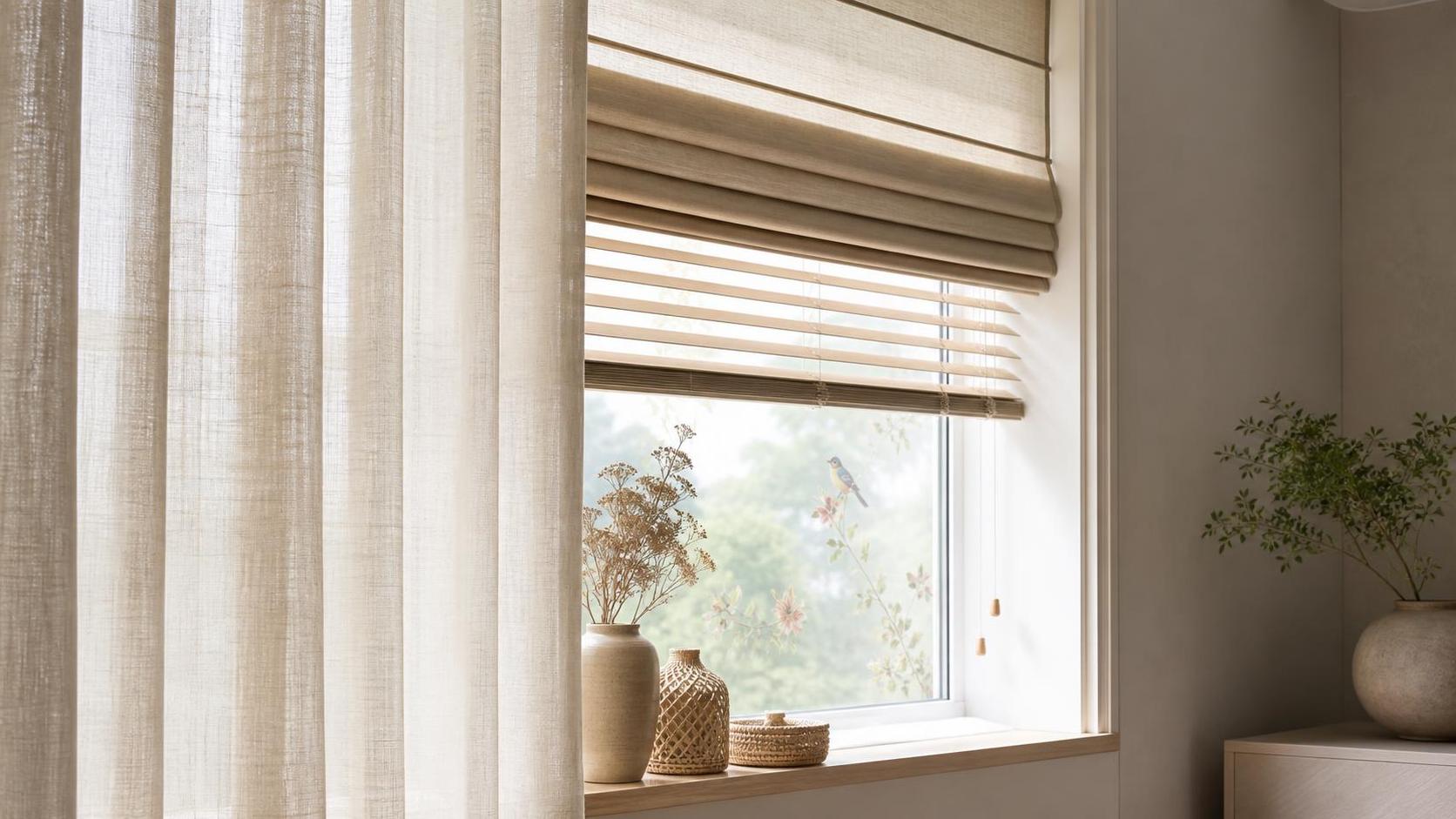
In practical terms, that puts a few categories near the top: minimalist curtains and sheers, wood or faux-wood blinds, simple Roman shades, decorative static clings, light-filtering fabric panels, and understated window accents made from natural-looking materials. These options match the main expectations of modern buyers: soft light control, visual order, and easy coordination with neutral or mixed-material interiors.
If your customers serve apartment projects, urban retail, or family homes with updated interiors, broad-use products usually outperform highly decorative valances or traditional layered treatments.
What makes a window decoration feel “modern” instead of dated?
It usually comes down to three things: line, material, and visual weight.
- Line: Straight edges, clean folds, and simple silhouettes read as modern.
- Material: Cotton-look fabrics, linen-look textures, wood, woven fibers, ceramic accents, and matte-finish components tend to work better than shiny or overly synthetic-looking surfaces.
- Visual weight: Modern interiors often prefer lighter coverage. Even when privacy matters, buyers still want the room to feel open.
A common buying mistake is assuming “more decorative” means “more premium.” In modern home decor collections, that often backfires. Extra ruffles, tassels, busy floral prints, and thick contrast trims can make a product harder for retailers to merchandise across different settings.
Are fabric treatments still the safest choice for modern assortments?
They are still one of the safest choices, but not automatically. Fabric works well when it supports the room rather than dominating it. Sheers, soft solid-color drapes, and lightly textured panels are easier to place in modern collections than bold prints or formal pleated looks.
For trade buyers, fabric products also have a commercial advantage: they can be offered in multiple widths, textures, and color stories without changing the basic product concept. That helps when you need range depth without creating an overly fragmented assortment.
Still, fabric is not the answer for every account. If the end customer wants quick seasonal refresh, children’s spaces, or low-commitment decoration for smooth glass surfaces, removable window applications may be a better fit.
Where do removable window clings fit in a modern home decor collection?
They fit better than many buyers expect, especially when the design is clean, cheerful, and easy to use. Window clings are not a replacement for core privacy products like shades or curtains, but they are useful as seasonal, decorative, and family-friendly add-ons.
For example, a product like Spring Window Clings Gel, Jelly Window Stickers for Glass Refrigerators Home, Welcome Spring Window Decorations - Flowers Butterflies Bird, Kids‘ Love makes sense in channels that serve home, classroom, and nursery demand. It uses soft TPR material, applies to smooth surfaces, adds a bright seasonal look, and can be removed and stored for reuse. That combination matters because modern shoppers often want decoration without permanent installation, especially in rental homes or spaces used by children.
The key is positioning. Clings work best as part of a flexible decorative program, not as the lead solution for every window.
Which materials tend to sell more consistently across modern interior styles?
Materials that bridge function and appearance usually move more consistently. In this category, that often means wood, fabric, handwoven textures, ceramics used in accessory form, and selected plastics where easy care or special application is important.
What should distributors check before adding a new window decoration line?
Start with fit, not just appearance. A product may look good in a catalog and still be difficult to sell if it does not match the buying habits of your channel.
- Check the installation type. Peel-and-stick, rod-pocket, clip-on, and standard hanging systems serve different users.
- Review the surface or room compatibility. Some decorative products work only on smooth glass; others depend on standard window dimensions.
- Look at storage and reuse. Seasonal items with repeat-use value often have stronger return potential.
- Test whether the color story fits current modern palettes: soft neutrals, muted greens, earthy accents, black-and-natural combinations, or controlled bright highlights.
- Ask whether the line supports good assortment logic. You want products that can sit together as a collection rather than isolated one-off items.
If you are sourcing through a supplier network that covers handicrafts, wood, fabric, ceramics, plastics, and handwoven goods, that range can be useful. It gives you room to build coordinated collections instead of relying on a single material category.
What usually goes wrong when trade buyers choose Windows decorations for modern collections?
The most common problem is buying for visual impact alone. A dramatic sample can attract attention at first glance, but modern home decor tends to reward products that are easy to live with.
Another issue is poor channel matching. Nursery and classroom products, for example, can be colorful and playful without being random. A reusable, safe, non-toxic cling designed for smooth surfaces has a clear use case. A formal drape with elaborate detailing does not serve the same customer, even if both sit under the broad label of window decoration.
Buyers also underestimate how much packaging and presentation matter. Products that are easy to understand at a glance generally convert faster, especially when the installation method is simple.
So what is the best buying principle for modern window decor?
Choose window decorations that solve a clear room need while staying visually quiet enough to work across multiple interiors. For most modern collections, that means a mix of dependable core products such as sheers, shades, and wood-based options, plus a smaller layer of flexible decorative items for seasonal or family-oriented demand.
If a product is easy to place, easy to understand, and easy for the end customer to use, it usually has a stronger chance of moving well. That is a better filter than chasing the most decorative piece in the lineup.
Leave A Message
If you are interested in our products and want to know more details, please leave a message here, we will reply you as soon as we can.

We specialize in supplying home decor, handicrafts, and daily necessities.


