One 100-piece kit is enough for 20 students only when it contains 100 usable pipe cleaners and each project uses fewer than five. Five per student consumes the entire pack, leaving nothing for demonstrations, damaged stems, or a second attempt. For a simple activity using three or four stems each, one pack is a workable starting point. Larger decorative projects require a higher quantity.
The first cost decision is therefore whether the advertised count represents pipe cleaners alone or a mixture of craft supplies. A listing described as a “pipe cleaner craft kit 100 pieces” does not, by itself, establish how many complete projects it will support.
Start with the contents, then calculate the class allocation
A mixed kit might count pom-poms, eyes, beads, and other accessories toward its total. Those components add decorative options, but they cannot replace the wire stems needed to build a flower, animal, or hanging ornament. If the activity requires pipe cleaners as its main structure, use the confirmed stem count as the basis for ordering.
Request a component breakdown with quantities, stem lengths, and available colors. Product photographs are useful for understanding appearance, but overlapping materials and display props make them unreliable for counting. Written specifications also make it easier to compare a mixed assortment with a pack containing only chenille stems.
The following allocation assumes that all 100 pieces are full-length pipe cleaners. The project allowances are planning examples, not standard requirements for particular designs.
A useful calculation is: required stems = 20 × stems per finished project + shared demonstration material + replacement allowance. Keep those last two quantities explicit. Hiding them inside an average per student makes it harder to see why a seemingly adequate pack runs short.
A finished sample reveals what the piece count misses
Build one complete version of the planned craft using stems with the same dimensions as the proposed order. Count every stem consumed, including lengths used to join parts and offcuts that cannot serve another purpose. A design that looks small in a photograph can require several separate stems because each petal, limb, or attachment needs its own connection.
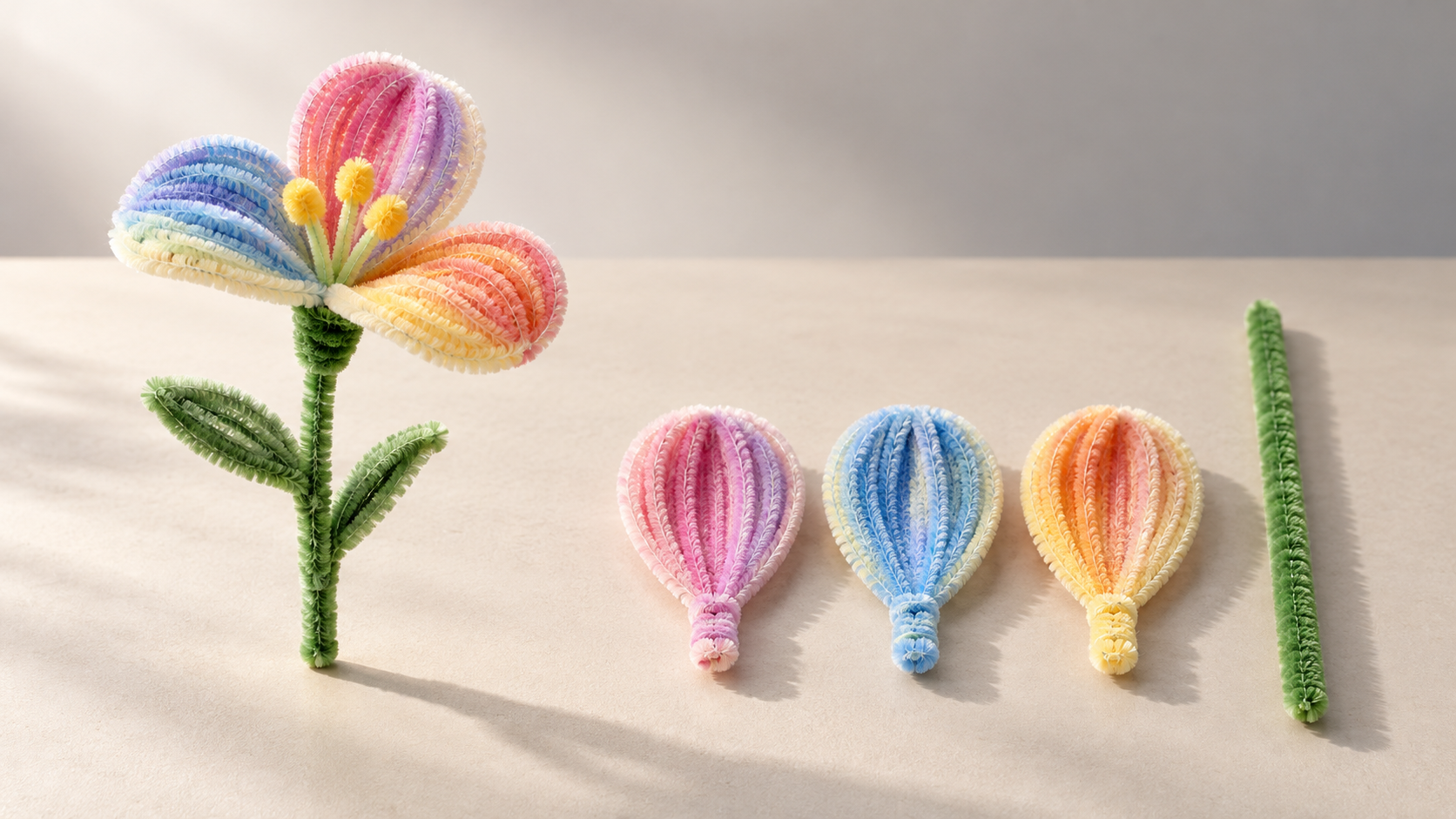
For example, a simple flower could be planned around three stems for looped petals and one for the stalk. That gives an initial requirement of 80 stems for the class. If the finished sample needs a separate leaf or an extra wrap to hold the head upright, the requirement becomes five per student and uses the whole pack.
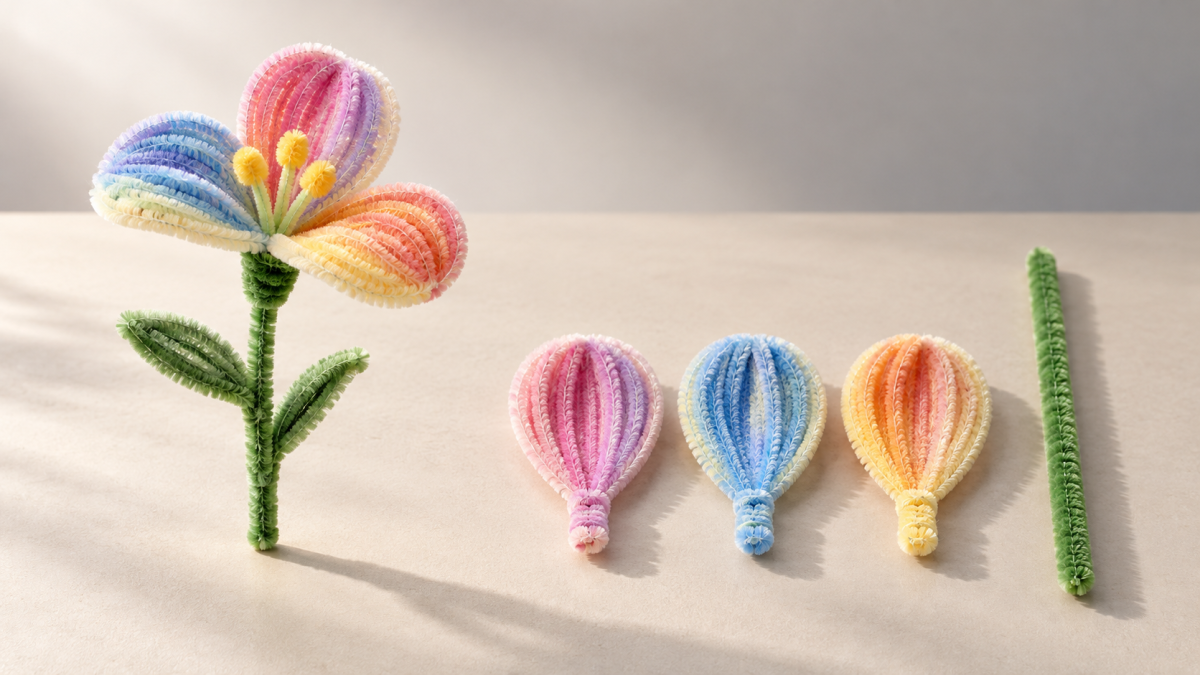
Lay the sample beside its unassembled materials before preparing classroom portions. This makes concealed joins and short attachment pieces visible. It also shows whether the project relies on unusually careful bending that would be difficult to repeat across the group.
Cutting stems can stretch the supply for small shapes, but count usable lengths rather than assuming every offcut has value. Two short pieces do not necessarily substitute for one long stem: joining them consumes length and creates a thicker connection. Cutting also exposes wire ends, so the preparation method must suit the age group and supervision available.
Enough stems overall can still mean too few of the right ones
Color distribution matters when everyone makes the same decoration. A pack containing 100 assorted stems might have ample material overall yet too few green stems for 20 flower stalks. The usable project quantity is limited by whichever required color runs out first.
Color-flexible designs make better use of assorted packs. Multicolored stars, abstract hanging shapes, or individual ornaments allow students to work with the available mix. A matching pumpkin activity is less flexible if every project requires a fixed quantity of orange and green.
Stem length and thickness also affect the result. Shorter stems produce smaller loops or require extra joins to reach the intended size. A thicker, fuller stem changes the space occupied by a wrap and may not pass through the beads selected for the activity. Compare dimensions alongside count; equal quantities do not guarantee equal project coverage.
For freestanding decorations, test whether the stem holds the intended shape. A soft stem that works well for a flat outline may need additional support in an upright flower or figure. That support increases consumption, even though the finished objects look similar in a product image.
Compare the cost of completing 20 projects
The lowest pack price does not always produce the lowest activity cost. A mixed kit offers poor value for this task if most accessories remain unused while additional stems must be ordered separately. Conversely, an assortment can be economical when its included eyes, beads, or pom-poms are already part of the planned design.
Calculate the cost using the materials actually needed to finish the session:
Cost per completed project = total material and delivery cost for the activity ÷ number of complete projects supported.
Include required glue, hanging cord, bases, or other consumables in that total. Keep reusable tools separate when comparing recurring supply costs. Otherwise, an initial purchase containing scissors can appear more expensive than a refill even though those scissors support later sessions.
Where one pack falls slightly short, compare a small supplementary bundle with a second full kit. A second mixed kit could duplicate accessories that the activity does not need. A plain stem refill may close the shortage more efficiently, provided its dimensions and colors match the sample.
Leftover material has value when a future activity can use it and storage is available. Record that remainder separately from current consumption rather than treating every purchased piece as material used during this class.
Keep shared room decoration outside the student allowance
An autumn session can combine individual pipe-cleaner crafts with a shared window display, but these are separate material requirements. Diverting stems to a large classroom decoration after portions have been allocated reduces the number available for student projects.
A separate seasonal element, such as 6 Sheets Fall Gel Window Clings for Glass Windows, FallThanksgiving Clings Gel Stickers,Hello Fall Leaves,Pumpkin for Autumn Holiday Window Decor, belongs in the room-decoration budget. The soft TPR clings offer an apply-and-remove option for a shared glass display. Their six-sheet count does not establish how many individual motifs are included or whether there are enough for one per student.
If an individual take-home craft is the intended outcome, shared decorations do not reduce the number of complete craft portions required. Keeping those quantities distinct prevents an attractive classroom display from masking an incomplete activity order.
Set the order quantity after portioning a trial batch
For a four-stem design, prepare 20 portions and leave the remaining 20 stems in a shared reserve. Then allocate demonstration material from that reserve before calling it spare stock. If the sample uses particular colors, portion those first so any shortage becomes visible before the session.
Replacement needs should reflect the activity. Tight repeated bends, difficult joins, and designs that invite rebuilding consume more spare material than simple outlines. A short trial provides a firmer basis for the allowance than adding an arbitrary quantity to every order.
One verified 100-stem pack is a reasonable fit for 20 simple projects using three or four stems each. At five stems per project, order additional material if the session needs any demonstration or replacement stock. Above five, the pack is already short before those needs are considered.
Leave A Message
If you are interested in our products and want to know more details, please leave a message here, we will reply you as soon as we can.

We specialize in supplying home decor, handicrafts, and daily necessities.


