
Moments Made Brighter
Fresh ideas, new arrivals, and stories behind every festive detail.

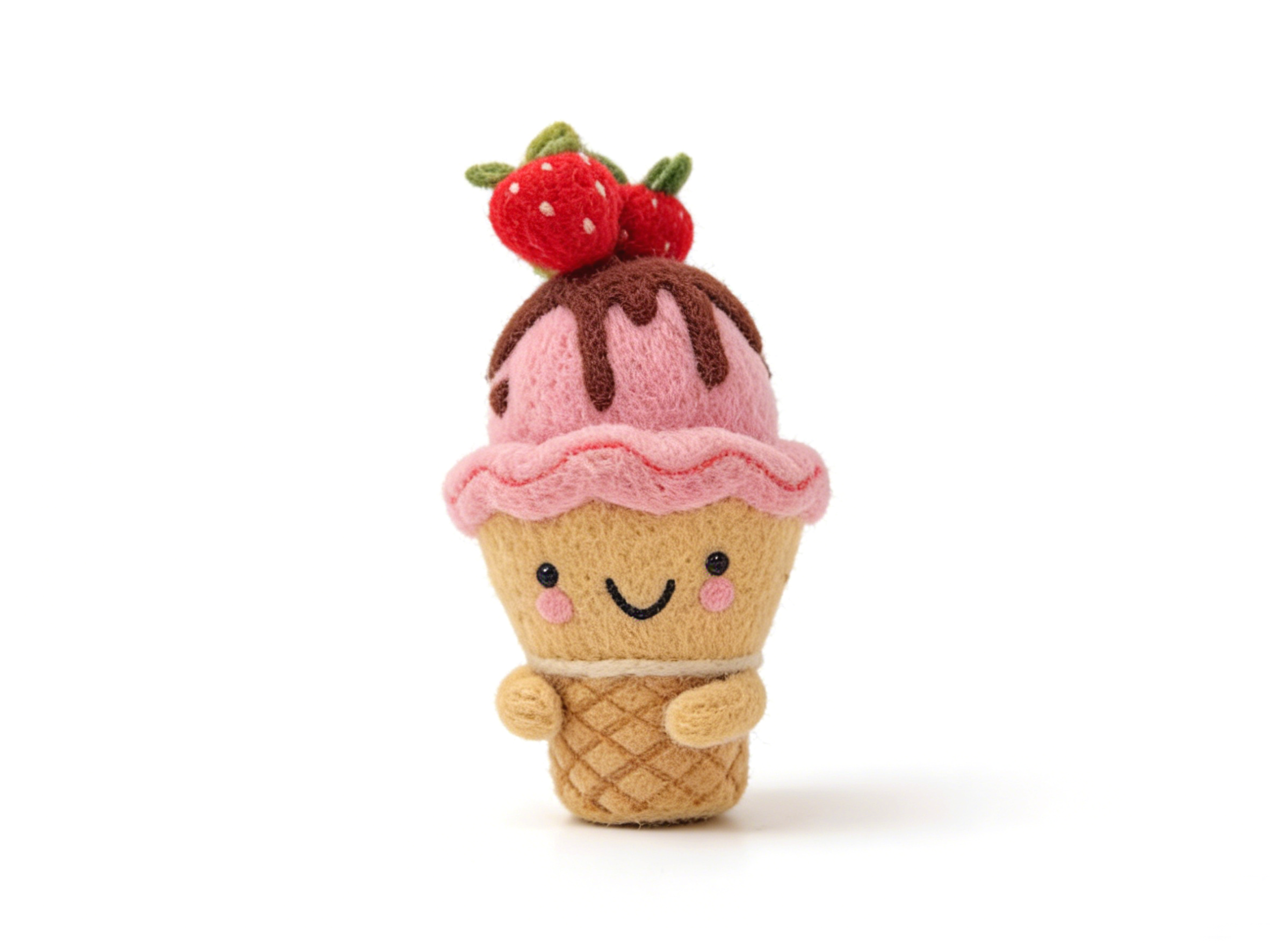
Sourcing handmade crochet plush may seem straightforward, but many buyers run into costly issues with inconsistent quality, weak compliance, and unstable delivery. For procurement teams in the home decor industry, avoiding these common mistakes is essential to protecting margins and meeting market expectations. With a certified production network in crafts, wood, fabric, and partner industries, understanding what to check before placing orders can help ensure a smoother, more reliable sourcing process.
Why do crochet plush sourcing projects go wrong so often?
In home decor procurement, crochet plush sits in a tricky category. It looks simple, but the product combines handwork, material selection, stuffing consistency, stitching security, labeling compliance, and packaging control. If a buyer evaluates only price and sample appearance, problems usually surface 2 to 6 weeks later, when mass production starts and defects become expensive to correct.
One common mistake is treating all handmade suppliers as interchangeable. In reality, production capacity, quality systems, and raw material traceability vary widely. A workshop that can finish 500 pieces for a sample order may not be able to maintain the same shape, thread density, or color consistency across 5,000 to 10,000 pieces. For seasonal home decor programs, this gap directly affects delivery windows and retailer acceptance.
Another issue is weak cross-category sourcing support. Crochet plush often needs matching decor items, mixed-material packaging, display accessories, or coordinated collections. Buyers working with isolated small workshops may need 3 to 5 separate vendors to complete one launch. That increases communication cost, approval cycles, and the risk of inconsistent packaging standards across the final assortment.
A more reliable approach comes from supply partners with broader craft integration. Based in Ningbo, a major foreign trade hub in China, our company operates two certified factories focused on handicrafts, wooden crafts, and fabric crafts, while also maintaining certified partnerships in ceramics, plastics, and handwoven categories. This kind of network helps procurement teams consolidate sourcing, reduce coordination gaps, and stabilize delivery performance.
The 4 mistakes buyers make at the start
- Approving a visual sample without confirming yarn specification, stuffing weight tolerance, and finishing details.
- Skipping a pre-production confirmation stage for labels, polybags, cartons, and barcode placement.
- Assuming handcraft lead times are flexible, when seasonal programs often require booking 30 to 60 days in advance.
- Ignoring the supplier’s ability to support related decor categories for coordinated retail sets.
What should procurement teams check before placing a crochet plush order?
Before confirming a purchase order, buyers should review crochet plush through a structured sourcing checklist. For home decor applications, at least 5 key dimensions matter: workmanship consistency, material safety, filling stability, packaging suitability, and delivery capability. When one of these is not clearly defined, disputes usually appear after inspection or at warehouse receiving.
Workmanship should be evaluated beyond surface appeal. Check stitch tightness, loose thread ends, symmetry, seam closure, and decorative attachments. For plush figures used in shelf display or gift programs, shape deviation becomes obvious when units are lined up together. A sample that looks acceptable alone may still fail visual consistency in a retail batch of 24, 48, or 96 pieces per carton.
Material review is equally important. Buyers should confirm yarn composition, stuffing type, accessories used for eyes or trims, and any restrictions related to destination markets. Even when a product is decorative rather than a toy, importers and retail chains often request clear material declarations, warning labels, or testing aligned with internal compliance rules.
Lead time validation should include more than the final ship date. Good sourcing practice breaks the timeline into 3 stages: sample approval, pre-production confirmation, and bulk production. For handmade items, a typical sample revision cycle may take 7 to 15 days, while mass production can range from 25 to 45 days depending on order size, complexity, and seasonal factory loading.
Practical supplier assessment table for crochet plush
The table below helps procurement teams compare suppliers using criteria that matter in real purchasing decisions, not just in quotation sheets.
For buyers managing multiple SKUs, this checklist is especially useful because it turns subjective feedback into measurable review points. It also supports clearer discussions with suppliers during sample approval and pre-shipment inspection.
A 5-point pre-order checklist
- Confirm final artwork, dimensions, color references, and handmade tolerance range.
- Request material details for yarn, filling, accessories, and packaging components.
- Define inspection points for loose threads, shape, label placement, and carton assortment.
- Lock the timeline for sample approval, production start, final inspection, and booking.
- Check whether the supplier can support matching home decor categories for bundled programs.
How do cost, quality, and lead time trade off in handmade plush sourcing?
Procurement teams often face a familiar tension: lower unit cost versus stable execution. In crochet plush, cost is heavily influenced by labor intensity, size, yarn thickness, filling volume, accessory complexity, and packaging requirements. A quotation that is 8% to 15% lower may look attractive, but if rework rates increase or shipment timing slips, the total landed cost can become much higher.
The real comparison should include four layers: ex-factory price, quality risk, delivery reliability, and communication efficiency. Handmade products are less forgiving than molded products. If the supplier does not standardize work instructions, color cards, and production references, the same plush design can vary noticeably from one production team to another.
This is where a broader certified supply chain creates value. Our two-factory structure and partner network in ceramics, plastics, and handwoven goods allow buyers to consolidate seasonal home decor lines instead of managing fragmented sourcing. That matters when a crochet plush assortment is part of a larger collection with wooden signs, fabric ornaments, ceramic accents, or daily-use decorative items.
In some programs, buyers also need lower-risk alternatives for fast seasonal decoration. For example, if a Halloween range needs quick visual impact on windows, doors, or glass displays, a reusable decorative item such as Halloween Window Gel Clings Ghost Pumpkin Bat Witch Cat Boo Blood Decal Stickers for Halloween Home Party Window Decorations can complement or partly replace labor-intensive handcrafted pieces. Because it uses soft TPR material, adheres easily to smooth surfaces, and is removable for future seasonal use, it suits haunted house and party decor projects with shorter turnaround needs.
Cost and sourcing decision comparison
Use the following comparison when deciding whether to source fully handmade crochet plush, mixed-material decor, or faster seasonal alternatives.
The best choice depends on your channel and launch speed. If the goal is artisan appeal and higher perceived value, crochet plush remains attractive. If the goal is shorter lead time and easier installation for seasonal scenes, reusable decor alternatives can reduce risk.
What compliance and quality control mistakes should buyers avoid?
Compliance problems rarely start at inspection. They usually begin during product definition. Buyers sometimes assume a crochet plush item is only decorative, so they leave testing scope, label wording, or packaging information undecided until late in the process. That creates confusion for both the supplier and the importer, especially when the item is sold through major European or American retail channels.
A safer sourcing process defines 3 compliance layers early: material information, market-specific labeling, and packaging safety requirements. Depending on construction and intended use, different internal retailer standards may apply. Procurement teams do not need to over-specify every order, but they should clarify destination market expectations before sample approval and again before bulk packing starts.
Quality control should also be staged, not concentrated at the end. For handmade home decor, a practical system often includes 4 checkpoints: raw material review, pre-production sample approval, in-line inspection during bulk assembly, and final random inspection before shipment. This sequence catches issues when they are still correctable and avoids large-scale repacking or repair.
Because our manufacturing base includes certified factories and certified partner companies serving European and American retail chains, we understand the importance of aligning craft aesthetics with documentation discipline. For buyers, that means better support not only in product making, but also in label review, packaging confirmation, and production follow-up across multiple craft categories.
Common compliance gaps in home decor craft sourcing
- Material content is discussed verbally, but not fixed in written approval documents.
- Hangtags, warning labels, and carton marks are approved separately, causing version mismatch.
- Destination market packaging requirements are checked too late, after bulk packing starts.
- Inspection criteria focus on quantity and overlook shape consistency, attachment security, and finishing cleanliness.
Recommended 4-step quality control flow
For crochet plush and related home decor crafts, a disciplined process typically works better than a one-time final inspection. Buyers can request these four control stages to reduce uncertainty.
- Raw material confirmation: verify yarn, filling, trim items, and packaging components before production release.
- Pre-production approval: confirm the final standard against the approved sample and packing method.
- In-line review: inspect workmanship and shape consistency when approximately 20% to 30% of goods are completed.
- Final inspection: check quantity, appearance, assortment, barcode, carton marks, and packing integrity before shipment.
How can buyers build a more stable sourcing plan for seasonal and everyday decor?
A stable sourcing plan starts with category strategy, not just product inquiry. Procurement teams in home decor often manage mixed calendars: everyday items, promotional sets, and seasonal launches for occasions such as Halloween or Christmas. If crochet plush is sourced in isolation, the buyer loses efficiency in packaging design, carton consolidation, and shipment coordination across the wider collection.
The more effective model is to evaluate suppliers by network strength. A supplier with its own handicraft factory may be suitable for plush development, but a supplier with additional wooden, fabric, ceramic, plastic, and handwoven resources can support complete decor stories. That matters when retailers request coordinated assortments, in-store themes, or container-level purchasing plans rather than single-SKU buying.
Seasonal demand also requires realistic scheduling. For handcrafted items, buyers should ideally lock key designs 60 to 90 days before the requested ship window, especially for medium to large orders. If the launch is more urgent, combining hero handcrafted pieces with faster-to-produce decorative accessories can balance visual impact and sourcing risk.
This flexible assortment logic is useful in holiday programs. A buyer may choose crochet plush as a tactile centerpiece, then add items like window decals, table accents, wooden signs, or fabric hangings to complete the story. In a Halloween setup for a haunted house or party decor program, reusable surface decorations can be practical fillers because they install quickly, create atmosphere, and simplify post-season storage.
Questions buyers should ask before supplier nomination
These questions help procurement teams test whether a supplier can support ongoing home decor sourcing rather than just one sample order.
A supplier that answers these questions clearly is usually more prepared for B2B procurement realities. Clear answers also shorten internal approval time for sourcing, quality, and merchandising teams.
FAQ for procurement teams sourcing crochet plush
How should buyers evaluate a crochet plush sample?
Review the sample in two ways: as a standalone item and as part of a batch. Check shape balance, stitch consistency, trim attachment, color matching, label position, and packaging method. If possible, ask for 2 to 3 sample pieces instead of one. This helps reveal variation early, which is important in handmade production.
What is a realistic lead time for handmade crochet plush?
A practical range is 7 to 15 days for initial samples or revisions and 25 to 45 days for mass production after approvals, depending on design complexity and order volume. During peak holiday seasons, buyers should allow additional buffer time and secure production slots early.
What are the most overlooked risks in home decor sourcing?
The most overlooked risks are packaging details, inconsistent handmade finishing, incomplete material records, and weak production scheduling. Many issues do not appear in quotations. They appear during final inspection, at customs, or in retailer receiving. That is why a full sourcing review should cover 5 areas: product, packaging, compliance, timeline, and coordination capability.
When should buyers consider alternatives to crochet plush?
Consider alternatives when launch windows are tight, unit labor cost is too high for the target retail price, or the visual objective can be achieved with lighter decorative formats. Seasonal surface decor, wooden signs, fabric ornaments, or mixed-material sets may offer better speed and margin control for specific programs.
Why work with a broader home decor supply partner?
For procurement teams, the goal is not only to buy crochet plush successfully once. The real goal is to build a sourcing model that stays reliable across seasons, categories, and retailer requirements. That requires a supplier who understands handmade execution, compliance preparation, packaging discipline, and cross-category coordination in the home decor business.
Our company is located in Ningbo, one of China’s most active foreign trade cities. We operate two certified factories, one focused on handicrafts and one dedicated to wooden and fabric crafts. We also maintain strong certified partnerships in ceramics, plastics, and handwoven industries. This network gives buyers more stable supply chain support for home decor crafts, handicrafts, and daily necessities.
If you are planning a crochet plush program, we can help you review 6 practical areas before ordering: product construction, material options, packaging setup, compliance expectations, lead time planning, and matching decor assortment opportunities. This is especially useful when your buying team is balancing margin targets, launch deadlines, and retailer documentation requirements at the same time.
Contact us to discuss sample support, supplier evaluation, product selection, seasonal assortment planning, delivery timing, certification-related communication, and quotation alignment. If your project also needs complementary items beyond crochet plush, we can help you build a coordinated home decor sourcing plan with fewer vendors and clearer execution.
Leave A Message
If you are interested in our products and want to know more details, please leave a message here, we will reply you as soon as we can.

We specialize in supplying home decor, handicrafts, and daily necessities.


