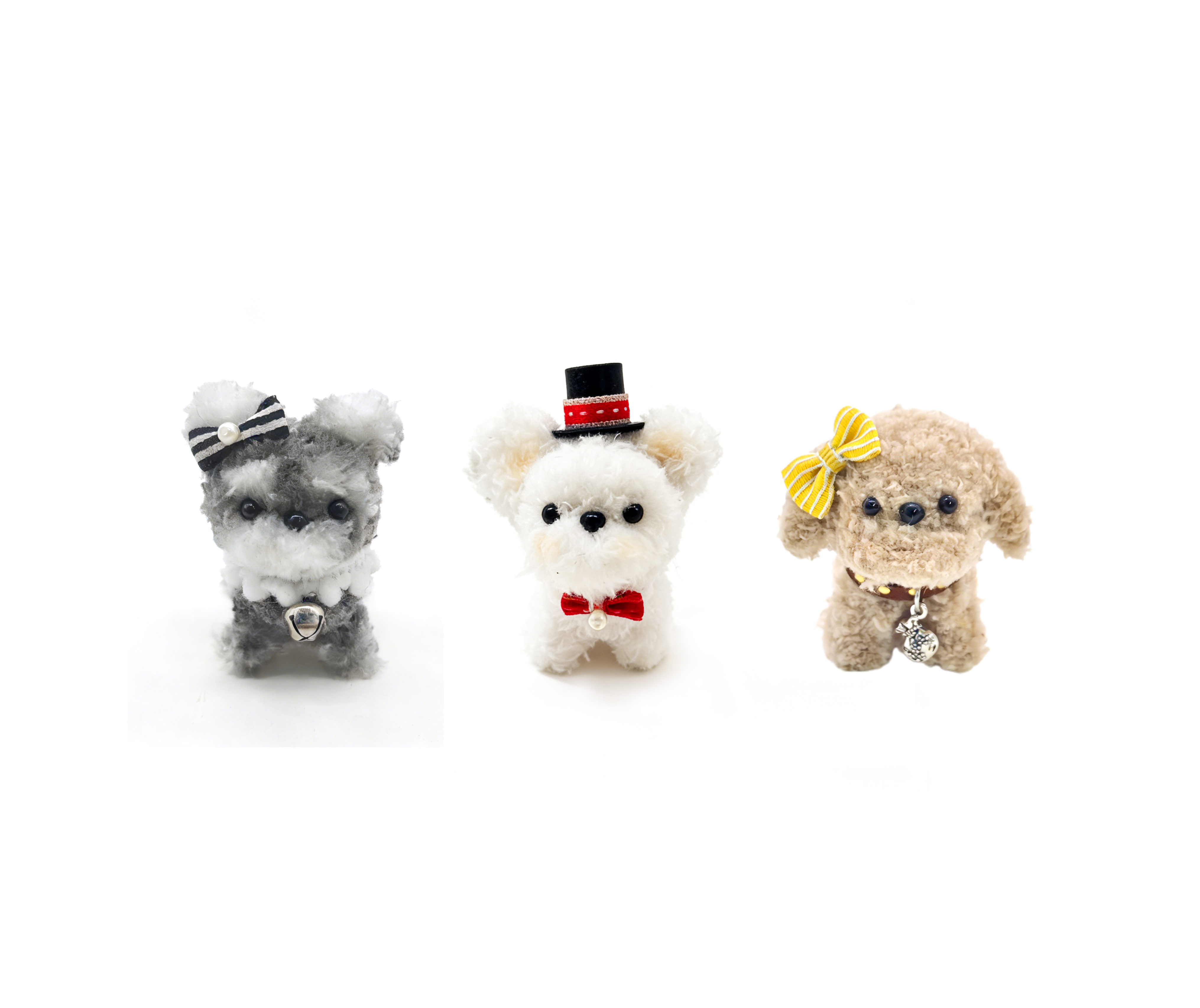
Choosing the right Handmade crochet plush for your product line requires more than attractive design. Buyers need to evaluate craftsmanship, material safety, production consistency, and supplier reliability to ensure quality and stable delivery. With extensive experience in home decor crafts and a strong certified supply network, we understand what procurement professionals value most. This guide will help you identify the key factors for selecting Handmade crochet plush that meets both market demand and sourcing standards.
What should buyers evaluate first when sourcing handmade crochet plush?
For procurement teams in the home decor sector, the first review should focus on 4 core dimensions: craftsmanship, material suitability, production capacity, and supplier communication. Handmade crochet plush often performs well in gift, seasonal decor, tabletop styling, and emotional comfort categories, but visual appeal alone is not enough for B2B purchasing.
A reliable selection process usually starts with sample inspection within 3 stages: design confirmation, workmanship review, and packaging validation. This helps buyers identify whether the item can move from a handmade concept to repeatable commercial supply. In small-batch and medium-batch orders, consistency often matters more than creative complexity.
Because crochet plush belongs to a decorative and touchable product category, buyers should also check how the product feels in hand, how evenly the stitching is formed, and whether the filling or yarn choice supports the intended retail positioning. Soft texture may fit gift channels, while firmer structure may be better for shelf display.
Located in Ningbo, a major foreign trade hub in China, we support buyers through two certified factories and a wider certified partner network in ceramics, plastics, and handwoven categories. This matters when purchasers need not just one item, but a coordinated home decor sourcing plan across 2–4 material families with stable delivery support.
Key checkpoints before approving a sample
- Confirm stitch density and shape retention after handling, especially for plush displayed on desks, shelves, or gift sets.
- Review yarn softness, surface cleanliness, and color consistency across at least 2–3 sample pieces.
- Check small parts, embroidery, labels, and packaging details to reduce retail complaints and compliance risks.
- Ask the supplier to define feasible order ranges, such as sampling, low-volume trial orders, and routine replenishment.
How to compare handmade crochet plush options for different home decor sales channels
Not every Handmade crochet plush suits the same buyer profile. Gift retailers, importers, online sellers, and home decor distributors often prioritize different features. A product designed for emotional gifting may need storytelling, while a decorative assortment for chain retail may require tighter size consistency and easier packaging integration.
The table below helps procurement professionals compare typical selection priorities across 4 common sales channels. This is useful when balancing design value with operational factors such as replenishment frequency, carton planning, and seasonal launch timing.
This comparison shows why selection criteria should match the retail route. For example, a highly expressive item with a sweet pun message may be excellent for birthdays or teacher appreciation, but chain buyers may still request simpler packaging and tighter unit-to-unit consistency. Procurement success often depends on matching creativity with operational discipline.
A good example of gift-oriented positioning is Positive Crochet Salamander Birthday Gifts for Women Men Teacher Appreciation Mothers Day Graduation Gift Adult Kids Son Mom Dad Daughter Sister Friend Coworkers Self Care Emotional Inspirational Support. Its soft, cozy yarn, emotional support theme, and desk companion function align well with gifting and self-care scenarios, especially when buyers want products that combine decorative value with personal meaning.
When channel alignment matters most
In a 6–12 week launch cycle, wrong channel positioning can create avoidable stock pressure. Oversized handmade crochet plush may look appealing in development but can raise freight and packaging costs. On the other hand, very small pieces may lose perceived value if the target market expects a gift-ready item.
Practical buyer advice
Ask suppliers to propose 2 or 3 size and packaging variations for the same concept. This gives your team a clearer view of cost differences, display suitability, and order flexibility before committing to one final specification.
Which technical and quality details affect long-term sourcing performance?
In handmade crochet plush purchasing, technical performance does not mean machine-like precision in every detail. It means controlled handmade variation within an acceptable range, plus dependable raw materials and finishing standards. Buyers should define tolerances early, especially for dimensions, color batches, and accessory placement.
Typical review points include yarn type, stitch tightness, stuffing distribution, edge finishing, decorative attachments, and labeling. For home decor products handled frequently by consumers, visual neatness and tactile comfort should both be checked. If the item includes a message card or hangtag, printed content accuracy is also part of quality control.
The table below summarizes practical procurement criteria that can be used during sample approval and pre-shipment review. It is especially useful for buyers managing 5 key check items across multiple SKUs in a seasonal or gift-focused assortment.
Using a review table like this helps procurement teams convert abstract quality discussions into measurable checkpoints. Even in handmade categories, a clear acceptance standard reduces rework, delays, and disputes. It also gives merchandising, QA, and logistics teams a common reference before shipment booking.
Material safety and compliance considerations
For European and North American retail channels, buyers commonly ask suppliers to support general material safety expectations, labeling clarity, and packaging compliance. Exact requirements vary by market and use scenario, so it is wise to confirm target country standards at the inquiry stage rather than after sample approval.
Because our supply chain includes certified factories and certified partner companies serving major European and American retail chains, we are familiar with documentation workflows, factory coordination, and category-specific communication. This is especially valuable when projects combine crochet plush with wood, fabric, ceramic, or woven home decor in one purchasing plan.
How can buyers balance cost, customization, and delivery time?
Cost control in Handmade crochet plush purchasing should not focus only on unit price. Total sourcing cost also includes sampling rounds, packaging complexity, inspection effort, and replenishment stability. In practice, the cheapest handmade option may create higher downstream cost if quality inconsistency causes returns or repeated corrections.
Most procurement decisions fall into 3 common models: ready design sourcing, light customization, and full custom development. Ready styles usually save development time. Light customization may involve color, message tag, or packaging changes. Full customization gives strong exclusivity, but buyers should allow longer confirmation cycles and tighter review checkpoints.
The table below outlines the trade-offs buyers often face when planning a handmade crochet plush program for home decor and gift-related retail lines.
This comparison is useful because delivery timing and cost structure are closely linked. A buyer with a 4–8 week promotion window may prefer low-risk adaptation of an existing style. A buyer building a differentiated brand line for the next season may accept a longer development process for stronger market distinction.
Cost-saving methods that do not weaken product value
- Simplify accessory combinations instead of lowering yarn quality. Buyers often preserve customer satisfaction better by keeping touch and appearance strong.
- Use shared packaging structures across multiple SKUs to improve packing efficiency and carton planning.
- Consolidate sourcing with suppliers who can coordinate several home decor categories, reducing communication and shipment fragmentation.
- Request a clear sample-to-mass-production checklist so corrections happen before bulk scheduling, not after.
In some gift programs, products similar in spirit to the positive crochet salamander concept work especially well because they combine handmade charm, emotional support messaging, and compact display value. These features can raise perceived retail appeal without requiring oversized specifications or highly complex structures.
What mistakes do procurement teams often make with handmade crochet plush?
One common mistake is treating handmade crochet plush like a fully automated commodity. Handmade items naturally carry slight variation, so buyers should define acceptable ranges instead of demanding unrealistic uniformity. The goal is controlled consistency, not loss of handmade character.
Another mistake is approving a sample based only on appearance photos. Procurement teams should assess at least 3 physical aspects: hand feel, structural balance, and packaging execution. A product that looks attractive online may still fail at unpacking experience, shape retention, or retail presentation.
Buyers also underestimate the value of cross-category sourcing coordination. In home decor programs, crochet plush is often part of a wider collection involving wood, textiles, woven elements, or seasonal accessories. A fragmented supplier base can increase lead-time risk, communication cost, and packing complexity across every shipment cycle.
The best prevention method is a 4-step sourcing routine: clarify target channel, lock key materials, approve packaging details, and align inspection standards before mass production. This sequence reduces confusion and gives both buyer and supplier a workable structure for execution.
FAQ for buyers
How do I know whether a handmade crochet plush is suitable for my market?
Start with the retail scenario. If your customers buy for birthdays, desk decor, emotional gifting, or self-care, soft-touch and expressive styles usually perform better. If your channel is chain retail or broad home decor distribution, prioritize packaging compatibility, repeatability, and assortment coordination within a 3–5 SKU group.
What lead time should buyers typically plan for?
Lead time depends on design complexity, order size, and customization depth. Buyers should separate the process into sample review, confirmation, and bulk production stages. For promotional launches, it is safer to build in buffer time for at least 1–2 revision rounds, especially if packaging or message tags require approval.
What matters more: handmade appearance or batch consistency?
In B2B sourcing, both matter, but consistency usually drives long-term success. Attractive design wins first attention; reliable repeat quality sustains reorder business. Buyers should therefore approve a standard that protects the handmade look while keeping dimensions, stitching quality, and packaging execution commercially stable.
Can one supplier support broader home decor purchasing beyond crochet plush?
Yes, and this can be a major operational advantage. When a supplier has capability in handicrafts and access to certified partner factories across wooden, fabric, ceramic, plastic, and handwoven products, buyers can simplify sourcing communication, align shipment planning, and build more coherent collections for different seasons.
Why work with a supply partner that understands both craft quality and procurement execution?
Buyers do not only need a factory that can make a sample. They need a sourcing partner that can interpret design intent, assess commercial feasibility, and protect delivery reliability. In handmade crochet plush, this means combining craft understanding with process discipline, quality checkpoints, and practical communication at every stage.
Our location in Ningbo gives buyers access to a mature export environment, while our two certified factories provide focused manufacturing support for handicrafts and wooden or fabric crafts. In addition, our established partnerships in ceramics, plastics, and handwoven industries create stronger supply-chain resilience when your project extends beyond a single product type.
For procurement teams, that means support in 6 important areas: product selection, material confirmation, packaging coordination, multi-category sourcing, production follow-up, and delivery planning. Instead of managing disconnected vendors, you can streamline communication and reduce sourcing friction across your home decor program.
If you are evaluating Handmade crochet plush for gifting, seasonal assortments, emotional support products, or decorative desk items, we can help you review sample feasibility, compare sourcing options, and align specifications with your target sales channel and timeline.
What you can contact us about
- Product selection for gift, home decor, and daily necessity categories
- Sample support and confirmation of materials, size, and packaging details
- Lead-time planning for trial orders, seasonal launches, and repeat replenishment
- Custom development advice for message-based or emotionally themed crochet plush items
- Compliance communication and documentation coordination for target export markets
- Quotation discussion for single products or multi-category home decor sourcing programs
If your team needs a dependable supplier for handmade crochet plush and related home decor crafts, contact us with your target market, estimated order plan, packaging needs, and certification expectations. We can help you shorten decision time, reduce sourcing uncertainty, and build a more stable product pipeline.
Leave A Message
If you are interested in our products and want to know more details, please leave a message here, we will reply you as soon as we can.

We specialize in supplying home decor, handicrafts, and daily necessities.


