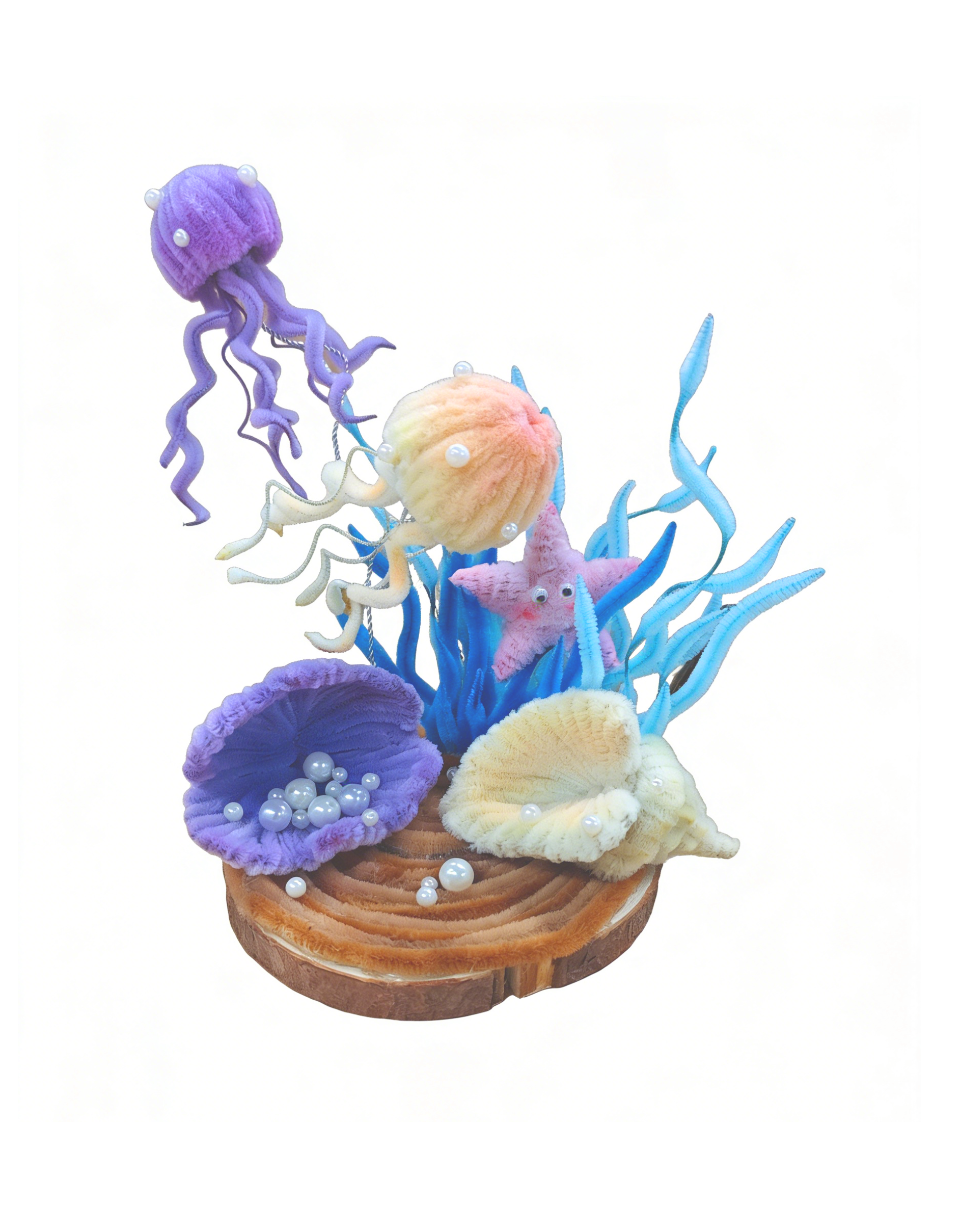
Material science plays a surprising role in the quality, flexibility, and lifespan of pipe cleaners used in home decor crafts, DIY projects, and daily creative applications.
From soft fibers to internal wires, every component affects bendability, safety, texture, and decorative performance across seasonal ornaments and functional craft supplies.
Why Material Science Matters in Home Decor Scenarios
Pipe cleaners look simple, but their structure determines whether a craft shape stays firm, feels soft, or frays after repeated handling.
In home decor, material science connects appearance with use. Fibers create color, volume, and texture. Wires control structure, memory, and durability.
A craft item used once for a party has different requirements from an ornament stored, reshaped, and reused across seasons.
That is why pipe cleaner selection should begin with the intended scene, not only color, size, or unit price.
Scene One: Decorative Crafts Need Soft Fibers and Rich Color
For wreaths, garlands, animal figures, flowers, and tabletop accents, the first visible feature is the fiber surface.
Common fiber choices include polyester, acrylic, cotton blends, and chenille-style synthetic fibers. Each delivers a different balance of softness and brightness.
Polyester fibers are popular in decorative handicrafts because they accept vivid colors and resist deformation during light use.
Acrylic fibers can create a fuller look, which helps small pipe cleaners appear more dimensional in seasonal home decor.
When the goal is a premium craft texture, fiber density matters. Sparse fibers expose the wire and reduce visual quality.
Scene Two: DIY Shaping Requires the Right Wire Core
The wire inside pipe cleaners is the hidden structure. It decides how easily a stem bends and how firmly it holds shape.
Low-carbon steel wire is widely used because it offers practical strength, controlled flexibility, and suitable cost for craft supplies.
For repeated bending, the wire should resist snapping. For child-friendly projects, sharp ends must be controlled through cutting and finishing.
A wire that is too soft collapses in upright decor. A wire that is too stiff becomes difficult to twist cleanly.
Good material science balances hand feel, structural memory, and safe manipulation during everyday creative use.
Scene Three: Seasonal Displays Need Reusable Durability
Holiday decorations are often installed, removed, stored, and reused. This cycle tests fiber adhesion and wire fatigue resistance.
Durable pipe cleaners should keep fibers attached after twisting, wrapping, and light pulling during setup.
Colorfastness is also important. Autumn, Christmas, spring, and party themes depend on stable color under indoor light and mild handling.
For fall window styling, soft and reusable materials can pair well with gel decorations such as 6 Sheets Fall Gel Window Clings for Glass Windows, FallThanksgiving Clings Gel Stickers,Hello Fall Leaves,Pumpkin for Autumn Holiday Window Decor.
Its soft TPR material sticks easily to smooth surfaces, helping create a peaceful fall atmosphere in homes, classrooms, and Thanksgiving parties.
Scene Four: Classroom and Daily Crafts Require Safer Handling
In classroom crafts and daily creative activities, pipe cleaners must be easy to bend, twist, cut, and combine with other materials.
Safety depends on fiber cleanliness, wire tip control, material odor, and surface softness. These factors influence repeated touch and close use.
Non-toxic material selection and consistent finishing are especially valuable for craft assortments used in educational and family environments.
The best pipe cleaners for these scenes are not necessarily the thickest. They are predictable, soft, flexible, and cleanly finished.
Different Scenarios, Different Material Priorities
How to Match Pipe Cleaners to Home Decor Projects
A simple matching process can reduce quality issues and improve decorative results across craft collections.
- Choose higher fiber density for visible decorative pieces and photo-friendly displays.
- Use stronger wire cores for upright shapes, stems, garlands, and wrapped structures.
- Select softer fibers for classroom crafts, family activities, and frequent hand contact.
- Check colorfastness when pipe cleaners are combined with paper, fabric, or painted surfaces.
- Test storage performance for seasonal programs that require reuse after months of packaging.
For mixed home decor assortments, medium thickness often provides the most flexible balance of texture, shape control, and cost efficiency.
Common Misjudgments When Evaluating Pipe Cleaners
One common mistake is judging pipe cleaners only by color. Bright color cannot compensate for loose fibers or weak wire.
Another mistake is assuming thicker stems are always better. Excessive thickness can limit detailed shaping in small decorative crafts.
Fiber shedding is sometimes ignored during initial checks. However, shedding affects cleanliness, packaging appearance, and user satisfaction.
Wire end quality is also easy to overlook. Poorly finished ends may scratch surfaces or feel uncomfortable during craft assembly.
Durability should be tested through real motions, including twisting, coiling, cutting, bending, flattening, and reshaping.
Supply Chain Quality Supports Better Decorative Results
Reliable home decor craft supply depends on stable materials, certified production, and consistent quality control across related categories.
Located in Ningbo, a strong foreign trade city in China, our network supports handicrafts, wooden crafts, fabric crafts, and daily necessities.
Certified factories and partnerships in ceramics, plastics, and handwoven industries strengthen material options and seasonal development capability.
This background helps build stable supply for home decor crafts where texture, safety, color, and durability must work together.
Action Steps for Better Pipe Cleaner Selection
Start with the scene. Define whether the pipe cleaners will decorate, support, teach, wrap, store, or reshape.
Then test the three essentials: fiber feel, wire performance, and durability after repeated handling.
Finally, compare samples under actual home decor conditions, including lighting, packaging, storage, and combination with other craft materials.
With the right material science approach, pipe cleaners become dependable creative components for attractive, reusable, and safe decorative craft projects.
Leave A Message
If you are interested in our products and want to know more details, please leave a message here, we will reply you as soon as we can.

We specialize in supplying home decor, handicrafts, and daily necessities.


