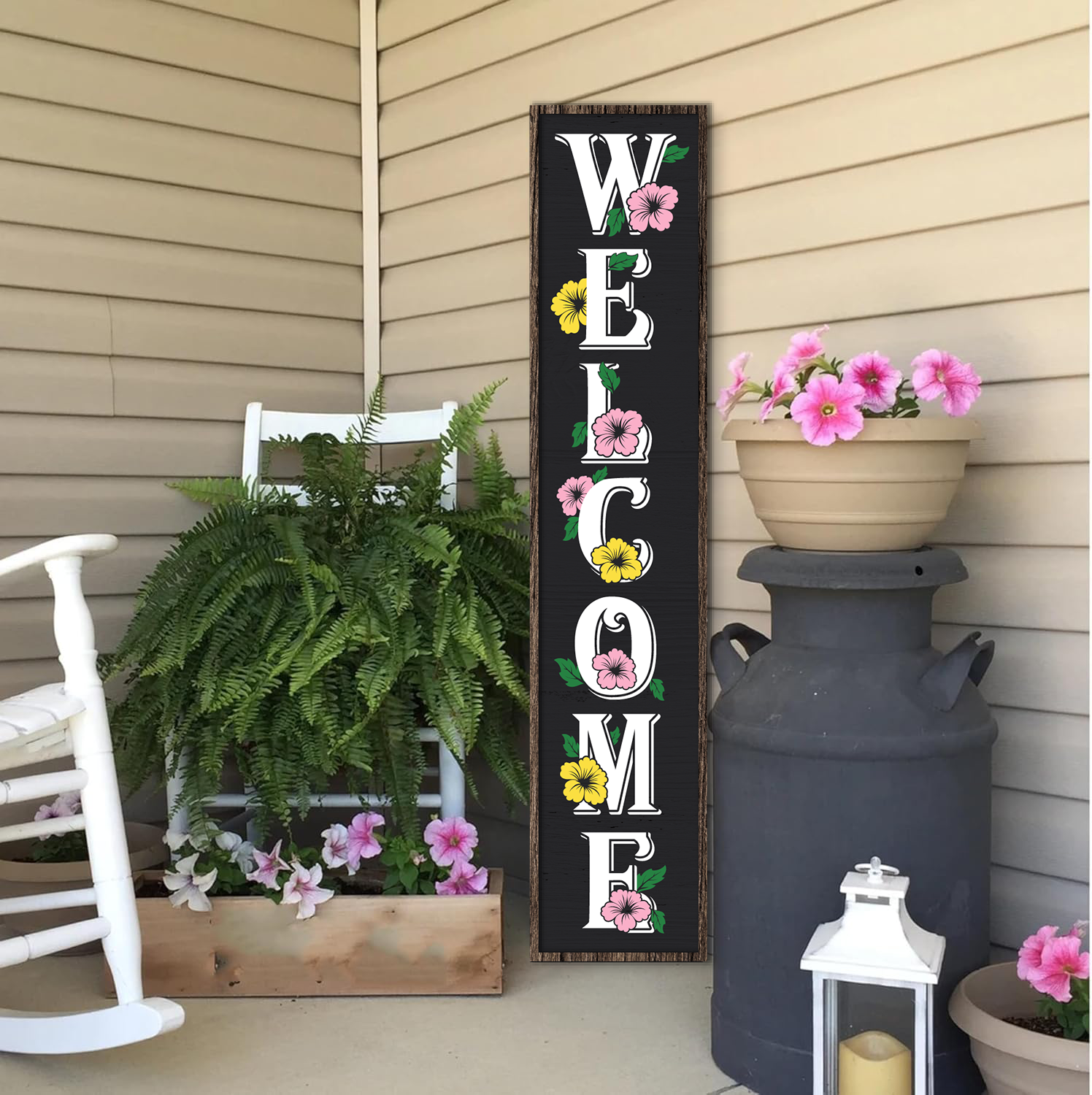
For buyers and distributors sourcing home decor, understanding what drives the price of handcrafted wooden signs is essential to balancing quality, design, and margins. From material selection and craftsmanship to packaging and supply chain stability, every detail affects cost. For companies that also source seasonal items like Festive window clings, knowing these factors can help build a more competitive and reliable product mix.
In most cases, the cost of handcrafted wooden signs is driven less by any single factor and more by the combination of material grade, labor intensity, finish quality, customization level, order complexity, and supplier reliability. For procurement teams, the key is not simply finding the lowest quote, but understanding which cost elements genuinely add value and which ones can be optimized without hurting sell-through or brand positioning.
What buyers are really paying for in handcrafted wooden signs
When buyers compare quotes for handcrafted wooden signs, the price difference often reflects more than just size or appearance. A lower-cost sign may use thinner wood, simpler cutting methods, lighter paint coverage, or less protective packaging. A higher-cost version may include better raw materials, more detailed hand-finishing, stronger hanging hardware, and stricter quality control.
For distributors and importers, the real question is: which features matter to your market? If your customers are selling in gift shops, home décor chains, or seasonal collections, finish consistency and design appeal may justify a higher landed cost. If the product is for promotional or volume retail use, standardization and packaging efficiency may be more important than intricate detailing.
Material choice has a direct impact on price and perceived value
Wood type is one of the most visible cost drivers. Solid wood, MDF, plywood, paulownia, pine, and composite boards all produce different cost structures. Solid wood usually offers a more premium feel and natural grain variation, but it can increase raw material cost and create more challenges in moisture control and consistency. MDF and engineered boards can reduce cost and improve shape stability, but they may not deliver the same handcrafted appeal in all markets.
Thickness also matters. A thicker sign feels more substantial and tends to support better durability during shipping and display, but it raises both material and freight cost. Buyers should also evaluate whether distressed finishes, burned edges, layered wood construction, or carved details are being created from better base material or used to mask lower-grade substrates.
For home décor programs, material decisions should match channel positioning. Premium boutiques may reward real wood texture and hand-finished variation. Mass retail may benefit from more cost-controlled substrates with repeatable quality.
Labor and handcraftsmanship are often the biggest cost variables
The word “handcrafted” covers a wide range of production realities. Some wooden signs are mostly machine-cut and hand-painted only at the final stage. Others involve manual sanding, distressing, carving, assembling, lettering, and finishing. The more handwork involved, the more labor becomes the dominant cost factor.
This is especially important for buyers working on custom collections. Hand-applied effects such as rustic brushing, vintage washes, layered paint textures, and dimensional embellishments can significantly improve product appeal, but they also increase production time, training needs, and quality variation risk.
In sourcing terms, labor cost is not just about wage rates. It also includes production efficiency, workshop skill level, reject rate, and rework. A supplier with experienced teams and standardized quality processes may quote slightly higher, but deliver more consistent output and lower after-sales issues.
Design complexity affects both unit cost and production efficiency
Simple rectangular signs with basic printed messages are relatively economical. Costs increase when designs include irregular silhouettes, cut-out letters, multi-layer assembly, attached ornaments, mixed materials, or fine painted details. Custom fonts, holiday themes, and seasonal artwork can also add sampling and setup cost.
For distributors, design complexity should always be measured against reorder potential. A highly detailed design may look attractive in a showroom, but if it slows production, increases breakage, or limits margin, it may not be the best fit for a broad retail rollout.
This is also where product mix strategy matters. Many importers balance higher-value handcrafted wooden signs with lightweight, easy-to-ship seasonal décor items. For example, products such as 6 Sheets Fall Gel Window Clings for Glass Windows, FallThanksgiving Clings Gel Stickers,Hello Fall Leaves,Pumpkin for Autumn Holiday Window Decor can complement autumn assortments because they are safe, non-toxic, reusable, and easy to apply to smooth surfaces in homes, classrooms, or Thanksgiving party settings. This kind of pairing can help buyers create a more flexible and margin-friendly seasonal offering.
Finishing quality and durability often separate low quotes from reliable products
Paint, printing, coating, and protective finishing all influence cost. A wooden sign intended for indoor decorative use still needs a stable finish that resists scratching, color inconsistency, odor problems, and peeling during transit. Better coatings and cleaner finishing processes usually cost more, but they reduce complaint rates and improve shelf presentation.
Buyers should ask practical questions:
- Is the paint hand-applied, screen printed, UV printed, or transferred?
- How consistent is color across batches?
- Is the finish matte, glossy, distressed, or sealed?
- Will hanging parts, twine, hooks, or metal accessories rust or loosen?
- Does the final product meet the required market compliance expectations?
These details matter because they affect not only product quality but also returns, customer satisfaction, and brand trust.
Customization, small runs, and sampling can raise costs quickly
Many B2B buyers want exclusive designs, private labels, custom sizes, or market-specific wording. Customization adds value, but it also increases development cost, artwork time, sample revisions, and inventory complexity. Smaller order quantities typically spread those costs over fewer units, resulting in a higher per-piece price.
If you are testing a new collection, it helps to separate must-have custom elements from optional decorative changes. Sometimes a standard structure with custom artwork is more cost-effective than developing a fully unique product. Procurement teams can often improve pricing by standardizing dimensions, hardware, or packaging across multiple SKUs.
Packaging and freight are major hidden cost drivers
Wooden signs are often lightweight but bulky, fragile at edges, and vulnerable to scratches. That means packaging design has a direct impact on landed cost. Individual polybags, bubble protection, corner guards, inner boxes, and export cartons all add material and labor expense, but poor packaging can lead to transit damage and costly claims.
Freight efficiency also changes the true cost of the product. Two signs with similar FOB prices may have very different landed costs if one design nests efficiently and the other wastes carton space. Buyers should pay attention to carton dimensions, stackability, and container loading efficiency when evaluating supplier quotations.
This is particularly important for mixed seasonal sourcing, where wooden signs may share shipments with lightweight decorative products. Balancing bulky handcrafted décor with compact seasonal lines can improve container economics.
Factory capability and supply chain stability influence long-term cost
A competitive unit price is valuable only if the supplier can maintain quality, timing, and compliance. For importers and distributors, unstable supply often creates bigger costs than a slightly higher quote. Delays, inconsistent finishing, missed peak-season windows, and unreliable subcontracting can damage customer relationships and inventory planning.
Suppliers with certified production bases and reliable partner networks often provide better long-term value because they can support category expansion, seasonal turnover, and quality consistency across materials. This matters even more for businesses sourcing across multiple home décor segments, including wooden crafts, fabric crafts, ceramics, plastics, and handwoven products.
A stable supply chain also makes it easier to plan coordinated assortments. For example, a buyer building a fall promotion may combine wooden table décor, wall signs, and removable window decorations such as the 6-sheet gel cling set mentioned above, using different product types to serve different price points and retail channels.
How buyers can evaluate whether the price is reasonable
The best way to assess cost is to break quotations into value components rather than compare final prices only. Buyers should review:
- Material specification and wood thickness
- Level of handwork and production steps
- Finish quality and color consistency
- Design complexity and assembly requirements
- Packaging method and shipping efficiency
- Customization charges and MOQ impact
- Factory quality control and delivery performance
Requesting samples is essential, but samples should be evaluated like retail products, not showroom pieces. Check for paint smell, surface smoothness, edge finishing, hardware strength, back-side neatness, and packaging condition after handling. A slightly higher-priced sign that performs better in transit and on shelf can be the more profitable option.
How to control costs without damaging product appeal
Cost optimization does not always mean downgrading the product. In many cases, buyers can protect visual impact while reducing unnecessary expense by:
- Simplifying back-side finishing where not visible
- Standardizing sizes across a collection
- Reducing excessive layered attachments
- Using efficient carton pack-outs
- Choosing controlled customization instead of fully bespoke structures
- Combining premium and entry-level items within one assortment
This approach helps distributors maintain margin while still offering products that look handcrafted, giftable, and retail-ready.
Final takeaway for procurement teams and distributors
What drives the cost of handcrafted wooden signs is a combination of material quality, labor input, design complexity, finishing standards, packaging, freight efficiency, and supplier reliability. For buyers in home décor, the most important step is to identify which cost drivers truly support sales performance in your target market.
The cheapest quote is rarely the full answer. A better sourcing decision comes from understanding how each detail affects retail value, operational risk, and long-term margin. When buyers evaluate handcrafted wooden signs this way, they can build stronger assortments, reduce sourcing surprises, and create a product mix that is both commercially attractive and supply-chain resilient.
Leave A Message
If you are interested in our products and want to know more details, please leave a message here, we will reply you as soon as we can.

We specialize in supplying home decor, handicrafts, and daily necessities.


