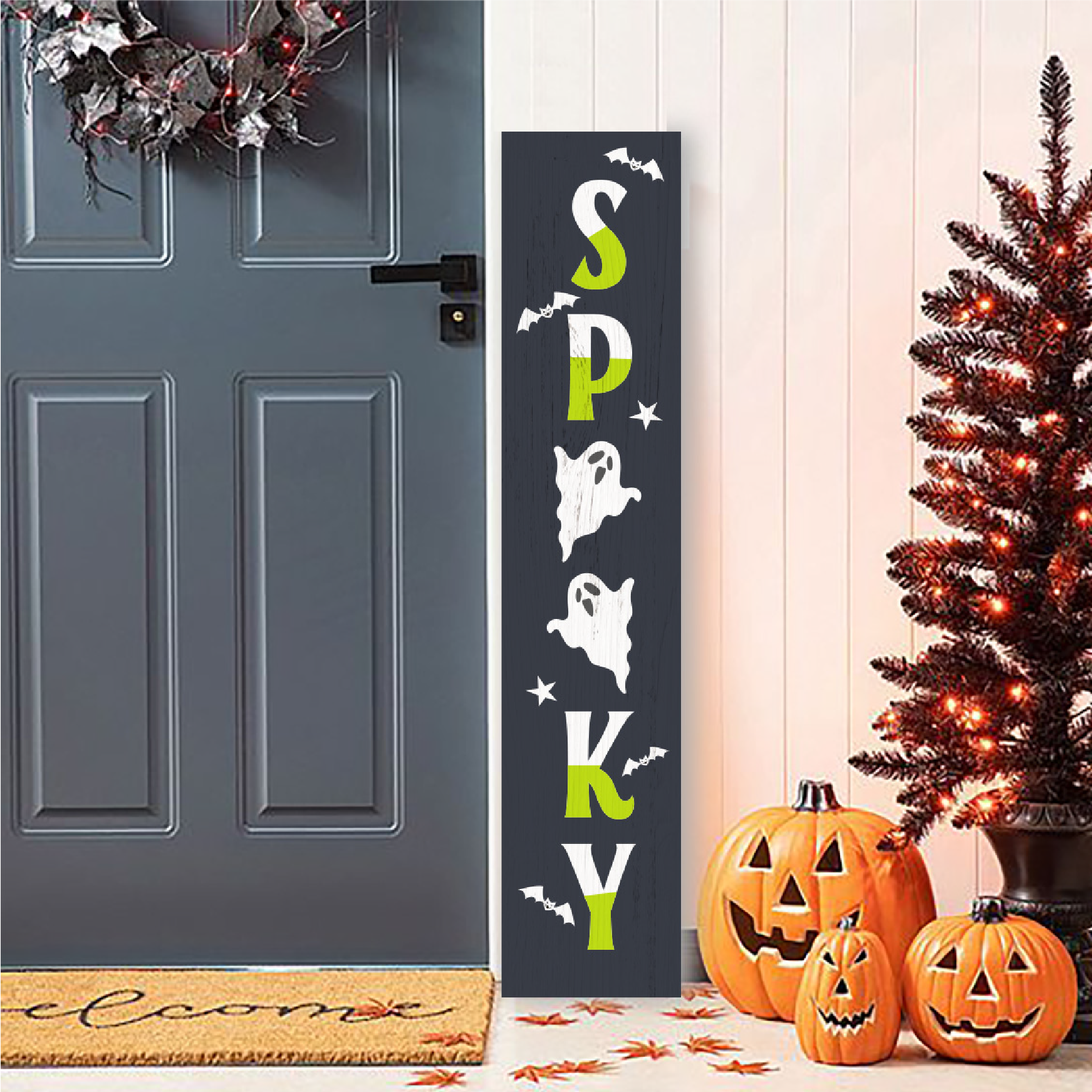
Choosing between handcrafted wooden signs and MDF signs is not just a material decision—it directly affects retail positioning, perceived value, durability, and margin potential. For procurement teams, distributors, and agents in the home decor market, the short answer is this: handcrafted wooden signs are usually better for premium presentation, artisan appeal, and long-term decorative value, while MDF signs are often the stronger choice for cost control, standardized production, and volume-driven programs. The right option depends on your target price point, sales channel, and how much differentiation your customers expect.
For buyers serving home decor retailers, gift stores, seasonal collections, or private-label programs, the most important questions are practical ones: Which material better fits the intended market? Which one reduces complaint risk? Which one offers more flexibility for finish, design, and customization? And which one supports stable sourcing at scale? This guide focuses on those real purchasing concerns so you can make a more confident sourcing decision.
What buyers are really comparing: price, positioning, durability, and sell-through
When procurement professionals search for “Handcrafted Wooden Signs vs MDF Signs,” they are rarely looking for a basic definition. They usually want to evaluate which product type will perform better in a specific market segment. In home decor, that means balancing four factors:
- Cost structure: unit price, finishing cost, packaging, and freight efficiency
- Market positioning: artisan, rustic, farmhouse, seasonal, giftable, or mass-market
- Quality perception: texture, weight, edge finish, print or paint appearance, and handmade character
- Operational reliability: lead time, consistency, customization flexibility, and defect risk
That is why the comparison matters so much. A sign that looks attractive in a product photo may still fail if it arrives chipped, looks too artificial at shelf level, or does not align with the retailer’s expected price band. For distributors and agents, the goal is not simply choosing the “better” material overall, but choosing the one that best supports the intended buyer profile.
Handcrafted wooden signs: stronger premium appeal and better product storytelling
Handcrafted wooden signs are typically made from solid or natural wood components and often feature visible grain, hand-painted details, distressed finishes, carved elements, or assembled multi-part construction. Their biggest advantage is emotional value. They look more authentic, more tactile, and more aligned with the “natural home decor” trend that remains strong in many Western markets.
For buyers targeting gift shops, boutique retailers, farmhouse decor sellers, and curated seasonal collections, handcrafted wooden signs often deliver stronger visual differentiation. They can justify a higher retail price because consumers usually associate real wood with craftsmanship, warmth, and durability.
Key advantages of handcrafted wooden signs include:
- Natural texture and grain: each piece tends to feel less generic
- Higher perceived value: suitable for mid- to high-end home decor lines
- Better storytelling: “handcrafted,” “artisan-inspired,” and “rustic” are easier to communicate
- Stronger finish variety: distressed, painted, washed, burned, carved, or mixed-media looks
- Brand differentiation: ideal for customers who do not want products that look mass-produced
However, handcrafted wooden signs also come with trade-offs. Natural wood can vary in grain, tone, and texture. That is attractive in premium retail, but it may create tighter quality-control demands for buyers who need exact uniformity. Solid or natural wood products may also be heavier, more expensive, and more sensitive to moisture if material selection and finishing are not handled well.
MDF signs: efficient for cost-sensitive programs and consistent bulk production
MDF, or medium-density fiberboard, is an engineered wood material made from compressed wood fibers and resin. In signage and decorative plaques, MDF is widely used because it is economical, smooth, and easy to machine into consistent shapes. For importers and distributors focused on scalable promotions, chain-store requirements, or entry-level decor lines, MDF signs are often a practical sourcing choice.
The smooth surface of MDF is especially useful for printed graphics, painted lettering, and designs that require a clean, even finish. If your customers prioritize standardization, repeatability, and controlled cost, MDF can outperform handcrafted wood in operational efficiency.
Main advantages of MDF signs include:
- Lower material cost: often more competitive for large-volume programs
- Uniform surface: ideal for painted, printed, or precisely cut decorative designs
- Production consistency: easier to maintain standardized shape and finish
- Efficient machining: well suited for repeat orders and bulk manufacturing
- Market flexibility: useful for promotional, seasonal, and entry-to-mid price products
The limitations are equally important. MDF generally has less natural character than real wood. Even with high-quality finishing, it may not deliver the same artisan feel. It can also be more vulnerable to swelling or edge damage if exposed to humidity or rough handling, especially when edge sealing and surface coating are inadequate. In categories where “real wood” is part of the selling point, MDF may reduce perceived value.
Which material looks better at retail level?
For shelf presentation and online merchandising, appearance is one of the biggest decision points. Handcrafted wooden signs usually perform better where the customer expects texture, depth, and a more authentic decorative feel. Their imperfections can actually support the design narrative, especially in rustic, vintage, country, coastal, or holiday collections.
MDF signs usually perform better where the design relies on:
- bright, clean painted surfaces
- precise typography
- uniform shape replication
- flat decorative plaques
- price-sensitive seasonal programs
If the retail strategy depends on emotional value and tactile appeal, handcrafted wood often wins. If the strategy depends on graphic clarity and cost-efficient assortment expansion, MDF may be the better fit.
This distinction is also useful when building seasonal ranges. Some categories benefit from reusable, low-commitment decorative products rather than longer-term signage. For example, seasonal add-on items such as Halloween Window Gel Clings Ghost Pumpkin Bat Witch Cat Boo Blood Decal Stickers for Halloween Home Party Window Decorations can complement a holiday assortment by offering low-cost visual impact, easy application on smooth surfaces, and repeat seasonal use. In that context, the buyer’s decision is less about long-term material value and more about quick merchandising effect and seasonal turnover.
Durability and complaint risk: what procurement teams should check before ordering
Durability is where buyers need to move beyond surface appearance. A product may look excellent in a showroom sample but still create after-sales issues if the structure, coating, or packaging is not robust enough for shipping and end use.
For handcrafted wooden signs, check:
- wood species and moisture control
- risk of cracking, warping, or splitting
- paint adhesion and finish protection
- hanging hardware strength
- surface smoothness and splinter control
For MDF signs, check:
- board density and thickness
- edge sealing quality
- resistance to corner damage during transit
- lamination or paint durability
- humidity sensitivity in storage or retail environments
In many cases, complaints are not caused by the base material alone, but by poor finishing, weak packaging, or insufficient quality standards. A reliable supplier should be able to provide clear specifications, production controls, and packaging solutions tailored to export shipment conditions.
Customization: which option gives buyers more flexibility?
Customization matters greatly for private-label buyers, regional distributors, and agents serving multiple sales channels. Both handcrafted wood and MDF can be customized, but they support different types of customization more effectively.
Handcrafted wooden signs are better for:
- distressed and artisanal finishes
- natural grain-based variations
- layered or assembled constructions
- rustic and premium branding concepts
- smaller collections that need strong visual identity
MDF signs are better for:
- standardized shapes across large assortments
- graphic-heavy or typography-driven designs
- cost-efficient private-label programs
- high-volume promotional or seasonal projects
- reorders requiring close design consistency
If your customers value handmade character, customization in wood can create better market distinction. If they value design replication and assortment efficiency, MDF often provides a smoother development process.
How material choice affects margin and channel strategy
For distributors and sourcing teams, material choice should always be linked to channel strategy. A handcrafted wooden sign may cost more, but that does not automatically mean lower profitability. In the right channel, a premium-looking sign can support stronger retail markup and lower price resistance.
Consider the following channel-based approach:
- Boutiques, gift stores, premium home decor shops: handcrafted wooden signs usually fit better
- Chain stores, promotions, high-volume seasonal retail: MDF signs are often more suitable
- E-commerce sellers needing visual differentiation: handcrafted wood can improve perceived uniqueness
- Price-driven catalog and discount programs: MDF is often easier to scale competitively
The key question is not “Which material is cheaper?” but “Which material creates the right balance of landed cost, perceived value, and sales velocity for this channel?”
What smart buyers should ask suppliers before making a final decision
To reduce sourcing risk, procurement teams should ask targeted questions instead of relying only on samples or price quotations. Useful supplier questions include:
- What exact wood or MDF specification is used?
- How is moisture or humidity risk controlled?
- What finishing process is applied to edges and surfaces?
- How much visual variation should be expected between units?
- What packaging method protects corners, paint, and hanging parts?
- Can the supplier support both handcrafted and more standardized programs?
- What compliance or factory certifications are available?
For buyers working with mixed-material home decor programs, supplier network strength also matters. A sourcing partner with access to handicrafts, wooden crafts, fabric items, and complementary decorative categories can help create more cohesive seasonal or themed product lines while maintaining stable supply support.
Final verdict: when to choose handcrafted wooden signs and when to choose MDF signs
If your objective is premium presentation, natural texture, stronger storytelling, and better differentiation in the home decor market, handcrafted wooden signs are usually the stronger choice. They are especially suitable for buyers targeting boutique, artisan-inspired, or higher-margin retail channels.
If your priority is cost efficiency, production consistency, scalable customization, and dependable volume supply for promotional or price-sensitive programs, MDF signs are often the better option. They work well in standardized assortments and broad retail distribution.
In short, handcrafted wooden signs win on authenticity and perceived value, while MDF signs win on uniformity and cost control. The smartest sourcing decision comes from matching the material to the sales channel, target consumer expectations, and risk tolerance—not from comparing material alone.
For procurement teams, distributors, and agents, that is the real takeaway: choose the sign that supports your business model, not just your sample approval. When the product, finish, and channel are aligned, both handcrafted wood and MDF can be commercially successful.
Leave A Message
If you are interested in our products and want to know more details, please leave a message here, we will reply you as soon as we can.

We specialize in supplying home decor, handicrafts, and daily necessities.


