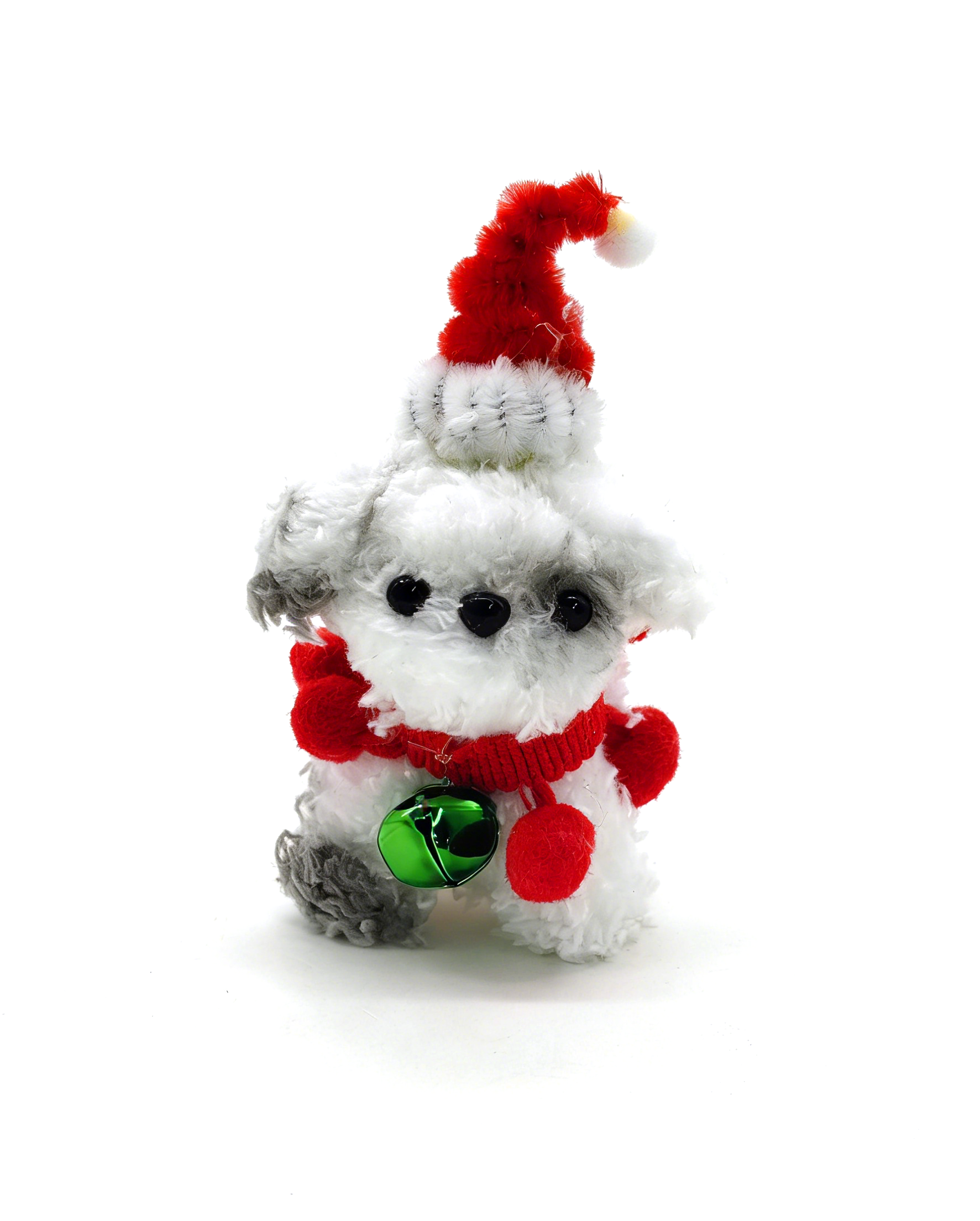
In today’s competitive home decor and craft market, brands need more than standard products—they need custom solutions that reflect their identity, quality expectations, and customer preferences.
As a Ningbo-based supplier with certified factories and a strong network across handicrafts, wooden and fabric crafts, ceramics, plastics, and handwoven products, we help brands develop reliable, market-ready pipe cleaners and decorative craft supplies with stable production, flexible customization, and dependable supply chain support.
Why a Checklist Matters for Custom Pipe Cleaner Manufacturing
Custom pipe cleaners are small, but they influence packaging appeal, craft performance, seasonal merchandising, and repeat purchase potential.
A clear checklist reduces sampling errors, color mismatches, material waste, and delays before production starts.
For home decor crafts, the right manufacturing plan connects design, safety, packaging, logistics, and retail readiness.
Core Checklist for Manufacturing Pipe Cleaners for Your Brand
- Define the product role before sampling, including craft kits, seasonal decorations, floral accents, classroom supplies, or DIY home decor bundles.
- Confirm chenille thickness, wire strength, pile density, length, bendability, and surface softness to match the intended craft experience.
- Select colors using physical swatches, not screen references, especially for pastel spring collections, holiday tones, and brand-specific palettes.
- Test cutting consistency and fiber shedding, because uneven ends or loose fibers can lower perceived quality in craft assortments.
- Specify packaging formats early, such as polybags, header cards, paper boxes, hang tags, or mixed craft activity sets.
- Prepare logo placement, barcode position, warning labels, age grading, and multilingual instructions before artwork approval.
- Request pre-production samples after final artwork, so color, count, packaging, and labeling are checked together.
- Set inspection standards for quantity, color accuracy, metal exposure, sharp edges, packing strength, and carton drop resistance.
- Plan replenishment timing around peak seasons, including spring crafts, Easter decor, Halloween kits, Christmas ornaments, and school projects.
- Use certified supply chain partners when combining pipe cleaners with wood, fabric, plastic, ceramic, or handwoven home decor accessories.
Material and Safety Points to Confirm
Pipe cleaners usually combine metal wire and soft fibers, so structure and safety must be reviewed together.
For children’s craft use, sharp wire exposure, small parts, odor, colorfastness, and packaging warnings require careful confirmation.
For home decor applications, flexibility and visual texture matter as much as compliance.
Stable sourcing helps keep color, softness, and shape retention consistent across repeat orders.
Recommended Material Review
- Check whether the wire holds curves without snapping, especially for floral stems, animal shapes, garlands, and holiday ornaments.
- Compare fiber softness by hand, because tactile quality affects both crafting comfort and perceived value.
- Review odor after sealed storage, as low-odor craft materials are more suitable for home, classroom, and nursery settings.
- Confirm testing requirements according to the target market, retail channel, and intended age group.
Customization Options That Add Brand Value
Custom solutions should go beyond changing a label.
The best pipe cleaner programs combine visual identity, useful assortments, and convenient packaging.
- Build themed color sets for spring flowers, woodland animals, coastal homes, festive wreaths, or modern neutral decor.
- Mix straight, glitter, striped, jumbo, metallic, or extra-soft pipe cleaners for stronger shelf differentiation.
- Create project-based kits with pom-poms, wooden beads, felt pieces, googly eyes, ribbons, or instruction cards.
- Adjust pack counts by channel, offering small impulse packs, family craft packs, classroom packs, or seasonal display cartons.
- Design packaging with clear craft inspiration, simple use cases, and visible color assortments to support faster purchase decisions.
A seasonal display can also include related window decorations, tabletop accents, and simple children’s craft accessories.
For example, Spring Window Clings Gel, Jelly Window Stickers for Glass Refrigerators Home, Welcome Spring Window Decorations - Flowers Butterflies Bird, Kids‘ Love can complement spring craft programs for home, classroom, and nursery displays.
Its soft TPR material sticks easily to smooth surfaces, creates a fresh spring atmosphere, and can be removed and stored for reuse.
Scenario Guide for Home Decor and Craft Applications
Home Decoration Collections
Pipe cleaners work well in DIY wreaths, floral arrangements, mini ornaments, decorative branches, and handmade garlands.
For home decor lines, choose colors that coordinate with fabric, wood, ceramic, and handwoven products.
Seasonal Craft Programs
Spring, Halloween, Christmas, and back-to-school periods often require fast product rotation and reliable replenishment.
Prepare seasonal pipe cleaner assortments months ahead, including backup materials and carton plans for urgent restocking.
Children’s Creative Activities
For classroom and nursery use, safety labeling, soft touch, simple project instructions, and reusable storage packaging are important.
Bright colors and bendable shapes encourage hands-on creativity while supporting themed learning and festive decoration activities.
Retail and Private Label Displays
Retail-ready pipe cleaners need strong visual order, clear counts, scannable barcodes, and packaging that survives handling.
Use consistent carton markings and item coding to reduce warehouse confusion across multiple styles and seasonal launches.
Common Risks Often Overlooked
Color drift: Different batches may vary if raw material control is weak, especially with pastel, neon, or metallic pipe cleaners.
Weak packaging: Thin bags, loose headers, or fragile cartons can damage shelf presentation before the product reaches stores.
Unclear compliance: Craft items may need different testing depending on market, age grade, and final product combination.
Late artwork approval: Packaging delays can slow production even when pipe cleaners are already manufactured.
Inconsistent accessory sourcing: Mixed craft kits need stable suppliers for wood, fabric, plastic, ceramic, and handwoven components.
Practical Execution Plan
- Start with a product brief covering target market, design theme, material preference, pack count, packaging style, and compliance needs.
- Develop color cards and sample packs before confirming bulk orders, particularly for seasonal home decor assortments.
- Review packaging structure together with product samples, because appearance and protection must be approved at the same time.
- Lock the bill of materials after testing, so every component remains traceable during mass production.
- Schedule inline inspection and final inspection to verify quantity, labeling, carton strength, and finished product appearance.
- Keep reorder records for color formulas, artwork files, carton details, and supplier codes to support stable repeat production.
Supply Chain Support from Ningbo
Ningbo’s foreign trade foundation supports efficient sourcing, production coordination, inspection, and export handling.
With two certified factories and trusted partners across ceramics, plastics, handwoven goods, wood, and fabric crafts, integrated programs become easier to manage.
This structure is valuable when pipe cleaners are part of larger home decor craft collections or seasonal retail ranges.
Conclusion and Next Steps
Custom pipe cleaner manufacturing succeeds when design, material, safety, packaging, and supply chain planning move together.
A checklist-based process helps turn creative ideas into stable, attractive, and retail-ready home decor craft products.
To begin, prepare a reference sample, target color palette, packaging concept, order quantity, and required market standards.
From there, sampling, cost review, compliance planning, and production scheduling can move forward with fewer revisions and stronger results.
Leave A Message
If you are interested in our products and want to know more details, please leave a message here, we will reply you as soon as we can.

We specialize in supplying home decor, handicrafts, and daily necessities.


