What “Packaging and Customization Standards” Really Mean in a Personalized DIY Cross Stitch Starter Pack
In sourcing, a Personalized DIY Cross Stitch Starter Pack is often judged too narrowly. Many buyers focus on pattern design, color assortment, or unit price, then discover later that the real friction comes from packaging inconsistency, weak labeling logic, or customization requests that were never translated into production standards. For this category, packaging is not a decorative afterthought. It defines shelf readiness, e-commerce suitability, claim control, and how reliably the same item can be reordered across seasons or retail channels.
That is why “packaging and customization standards” should be read as an operational framework rather than a visual brief. In practical terms, the supplier needs to standardize three things at the same time: what goes into each kit, how those components are protected and presented, and how buyer-specific changes are controlled from sampling to bulk production. If one of those layers is loose, the pack may still look acceptable in a photo, but it becomes unstable in mass supply.
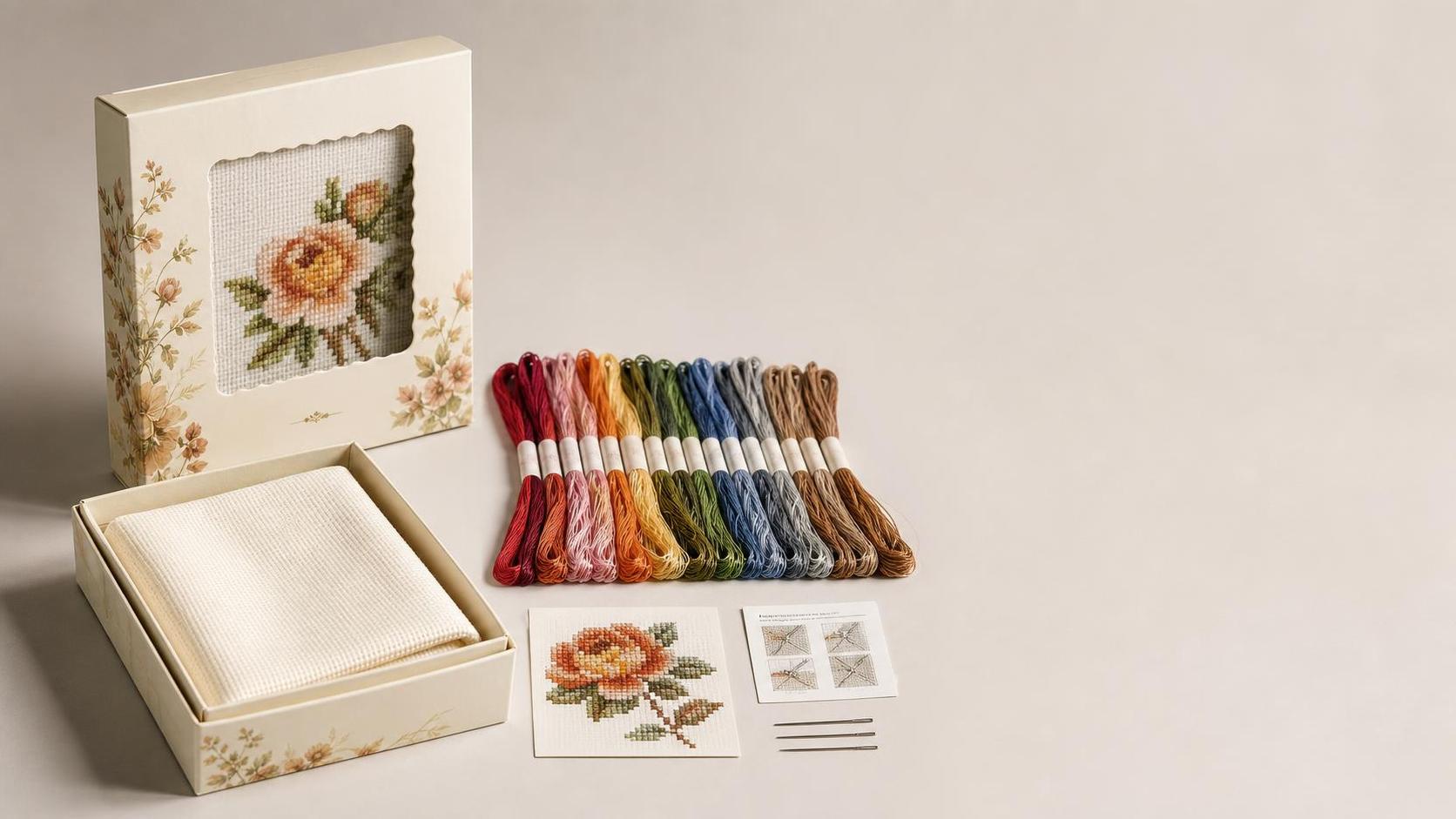
For home decor craft buyers, the basic pack structure usually includes fabric, threads, needle, printed or counted design reference, instructions, and outer packaging. The standard is not simply whether those items are present. It is whether the specification is fixed clearly enough to avoid downstream disputes. A thread count without tolerance guidance, a fabric size without finished-project reference, or multilingual instructions prepared without version control can all create avoidable problems. Personalized packs add another layer because names, motifs, color themes, holiday variants, and gift-oriented packaging all increase the number of approval points.
Where Buyers Commonly Misread the Risk
One common misunderstanding is to treat customization as a simple artwork change. In reality, personalization affects materials planning, packing sequence, barcode management, and carton assortment. A buyer may request multiple name variants or private-label inserts and assume the factory can absorb that variation easily. Sometimes it can. Sometimes it creates a sharp increase in sorting complexity, especially when the starter pack is sold in mixed displays or bundled for promotional programs.
Another mistake is assuming that attractive packaging equals compliant packaging. Retail-ready presentation matters, but procurement teams usually need to evaluate whether the outer pack protects needles and threads from loss, whether inner components remain visible or verifiable, and whether the packaging material suits the intended market. For example, a windowed box may improve visibility but can increase damage risk if the film gauge or internal fixing method is weak. A pouch pack may reduce cost and freight volume, but if the insert card does not hold the contents in place, the product can arrive looking incomplete.
The stronger suppliers in this field build these controls into the development stage. That is especially important for companies operating across mixed material categories. A supply base that includes certified handicraft production, wooden and fabric craft manufacturing, and stable partnerships in ceramics, plastics, and handwoven goods is usually better positioned to manage cross-category packaging choices, because home decor sourcing rarely stays inside one material family for long.
The Standards That Actually Matter in Day-to-Day Procurement
For a Personalized DIY Cross Stitch Starter Pack, the most useful standard is a pack specification sheet detailed enough to survive handoff between merchandising, packaging development, quality control, and the factory floor. In practice, that document should lock down component list, dimensions, material descriptions, print file versions, packing method, unit presentation, inner pack quantity, carton configuration, and inspection points. Without that level of clarity, “approved sample” becomes a weak reference because different teams may be looking at different assumptions.
Customization standards should also distinguish between what is cosmetic and what is structural. Cosmetic changes include front-card graphics, seasonal colorways, brand language, or theme adaptation. Structural changes involve pack size, accessory count, insert type, hanging format, and protective construction. Buyers often combine both in one request, but they do not carry the same sourcing implications. A cosmetic revision may be handled through prepress control. A structural revision can affect packing speed, freight efficiency, and damage rate.
This is where comparable products from adjacent home decor programs are useful as a reference point. A seasonal item such as Christmas Gel Window Clings - Xmas Santa Claus Snowman Snowflake Penguin Christmas Tree Gift Window Stickers for Kids shows how packaging standards often extend beyond appearance into repeat usability, safe material communication, and storage convenience. Even though window clings and cross stitch kits are different products, the buyer logic overlaps: seasonal appeal must be balanced with clear component control, protective packing, and a presentation that still makes sense after transport and shelf handling.
A Practical Way to Evaluate Supplier Readiness
When reviewing suppliers, it helps to separate creative capability from execution discipline. A supplier may offer appealing mockups but still struggle with version control when personalized SKUs multiply. Buyers should look for evidence of structured sample approval, labeling accuracy, material traceability at least at the batch level where relevant, and a defined final inspection method for assortment correctness. In cross stitch kits, assortment errors are especially expensive because a missing thread bundle or incorrect instruction sheet can turn a complete-looking retail item into a consumer complaint.
The questions that matter are usually unglamorous. How are personalized inserts separated during packing? What is the tolerance for fabric cut size? How is needle inclusion checked? Does the supplier approve packaging artwork and component layout as one integrated file set or as disconnected items? If the order contains several customization versions, how is mixed-carton risk managed? Clear answers to those questions tell you more than a polished sales deck.
Certification is part of the picture, but it should be read correctly. Buyers should value certified factories and retailer-recognized partner networks because they usually indicate stronger process discipline and audit familiarity. Still, certification alone does not guarantee that a personalized craft kit has been engineered well. The operational standard inside the order remains decisive.
A good supplier in this space understands that home decor craft programs are often built around repeatability with controlled variation. One season may call for monogrammed cross stitch kits, another for gift-box presentation, another for coordinated holiday assortments that sit beside products like reusable window decorations in bright festive colors. The procurement requirement is not endless flexibility. It is selective flexibility built on fixed manufacturing logic.
So when assessing packaging and customization standards for a Personalized DIY Cross Stitch Starter Pack, the right question is not whether the supplier can “customize.” Most can, at least at sample stage. The better question is whether that customization has been translated into stable specifications, inspection criteria, and packing controls that can hold up across bulk production. That is the point where a creative craft item becomes a dependable sourcing program.
Leave A Message
If you are interested in our products and want to know more details, please leave a message here, we will reply you as soon as we can.

We specialize in supplying home decor, handicrafts, and daily necessities.


