
Moments Made Brighter
Fresh ideas, new arrivals, and stories behind every festive detail.

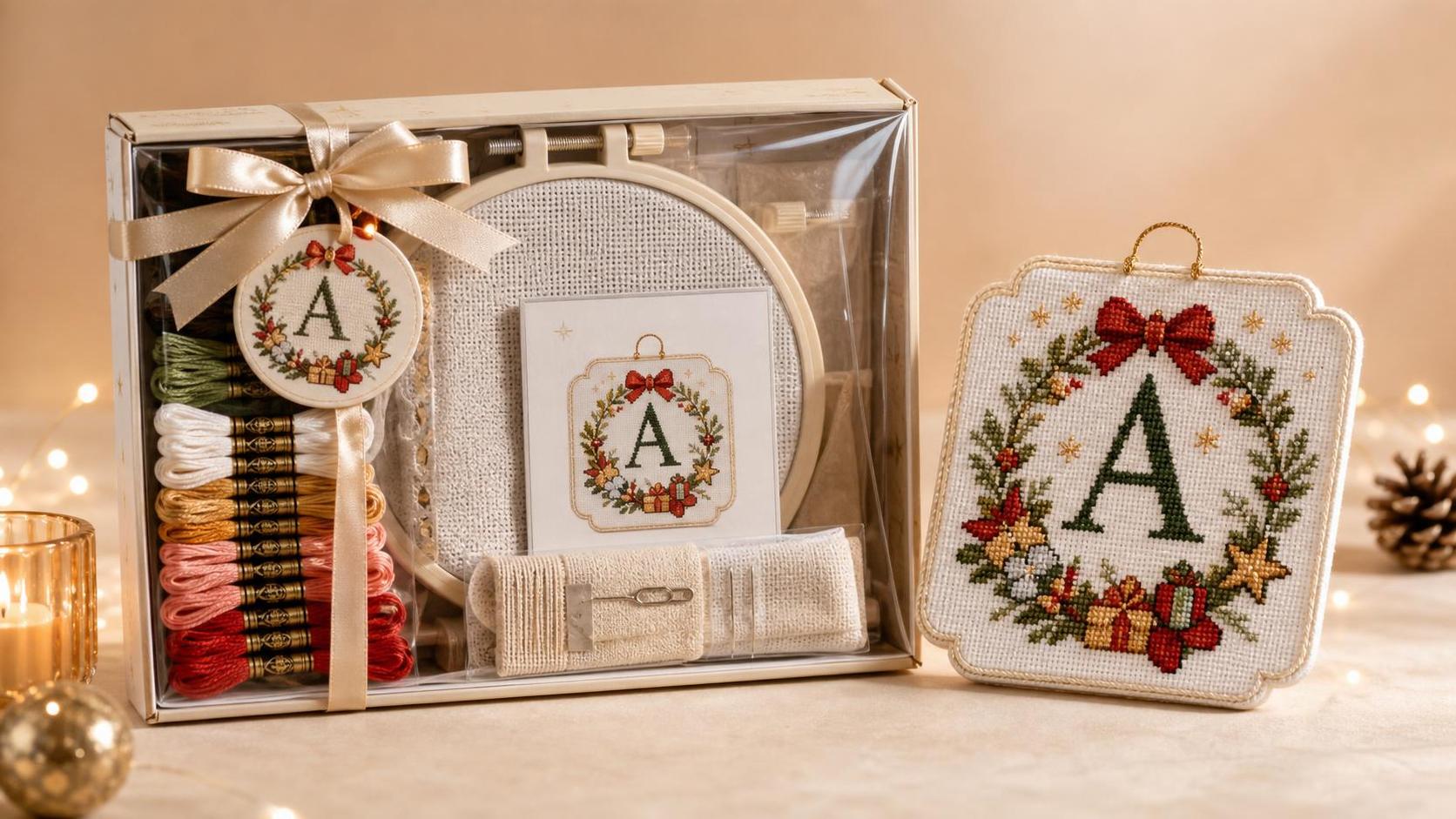
Why Personalized DIY Cross Stitch Starter Packs Appeal to Seasonal Gift Retailers
A Personalized DIY Cross Stitch Starter Pack is easy to misread if you look at it only as a craft SKU. In seasonal gifting, it functions more like a hybrid product: part hobby kit, part sentimental gift, part decorative item. That combination matters to retailers because gift demand peaks when shoppers want something that feels specific, not generic, but still sits within an accessible price band and displays well on shelf or online. A basic craft set can be replaced by many alternatives. A personalized starter pack is harder to swap out because the perceived value comes from both the activity and the emotional relevance attached to a name, message, motif, or occasion.
This is why the category has become more interesting to distributors and seasonal program buyers in home decor and giftware. It aligns with two patterns that continue to shape holiday selling: consumers are buying more “small meaning” gifts, and retailers are looking for products that can bridge impulse purchase and considered purchase. A kit that can be completed, gifted, or displayed after use has a wider selling story than a purely decorative item with no personal input from the buyer.
What the Product Really Means in Retail Terms
In trade language, a Personalized DIY Cross Stitch Starter Pack is not defined only by embroidery materials. The commercial concept usually includes four layers at once: beginner-friendly access, a clear theme, personalization potential, and gift readiness. If one of those layers is weak, the product becomes narrower. For example, a technically good cross stitch kit may still underperform in seasonal channels if the packaging looks too instructional, if the design is too generic, or if the personalization is so limited that it feels decorative rather than personal.
For gift retailers, “starter pack” is also an important part of the appeal. It lowers the barrier to purchase because the buyer does not need prior stitching experience or extra tools. That matters during peak seasons, when many shoppers are buying for occasional use or as a gift-for-gifting category. The product needs to look complete and understandable within seconds. In practical terms, that often means balanced component selection, readable presentation, and a motif that connects immediately to a season, recipient type, or home styling trend.
Personalization, meanwhile, should not be interpreted too narrowly. It does not always mean full customization from scratch. In many viable retail programs, personalization can mean curated initials, names, family-themed phrases, zodiac or holiday motifs, pet references, or localized message options. Retailers often prefer this middle ground because it preserves speed, packaging consistency, and stock control while still offering the end customer a stronger sense of ownership.
Why It Fits Seasonal Selling Better Than a Standard Craft Kit
Seasonal retail runs on compression. The window to capture attention is short, and the product has to communicate relevance quickly. A standard craft kit may appeal to existing hobby consumers, but a personalized version speaks to a broader holiday audience: gift buyers, parents, casual makers, and shoppers looking for a homey, low-tech, meaningful item in a market full of disposable novelty.
The strongest packs in this category also work across more than one retail placement. They can sit in holiday gift sections, craft aisles, tabletop seasonal displays, and even home decor endcaps when the finished result is decorative enough. That flexibility is commercially useful for agents and distributors serving mixed-format retailers, especially when buyers want one product family to support several merchandising stories without forcing a full custom development cycle.
Another reason the category travels well is that it complements the broader move toward experience-based gifting. Shoppers are not only buying an object; they are buying the time spent making it, the feeling of giving something personal, and sometimes the final decor use after completion. In home decor crafts, that layered value is difficult to ignore because it helps justify price points that might otherwise look high for a small-format item.
What Buyers and Distributors Usually Misjudge
One common mistake is assuming that personalization alone creates demand. It does not. If the base design is weak, the color story is off-trend, or the kit looks too complex for beginners, personalization becomes a superficial feature rather than a selling argument. Seasonal customers are often less patient than year-round hobby buyers. They want immediate clarity: what it is, who it is for, how hard it is, and why it belongs to this season.
A second misunderstanding is treating all seasonal themes as equally transferable across markets. In reality, motif tolerance varies. Some retailers want rustic, cozy, and handmade cues for autumn and winter. Others respond better to cleaner, playful graphics that work in family gift channels. This is where supply partners with broad craft experience become more useful than factories focused on a single production category. A stable sourcing network across handicrafts, wooden and fabric crafts, and adjacent material categories gives more room to adapt packaging, accessories, and presentation without destabilizing delivery.
For companies built around home decor crafts, that network effect is often a practical advantage rather than a branding line. A supplier based in Ningbo, with dedicated certified production in handicrafts and wooden or fabric crafts plus established cooperation across ceramics, plastics, and handwoven products, is better positioned to support seasonal programs that require coordinated materials, consistent quality, and varied visual direction. Retailers may only see the finished kit, but the reliability behind assortment planning usually comes from that deeper manufacturing structure.
How the Trend Connects to Broader Seasonal Assortments
The market interest in personalized craft gifting does not exist in isolation. It belongs to a larger shift toward seasonal assortments that are interactive, reusable, and visually expressive in the home. That is why buyers who source cross stitch kits are often also reviewing adjacent decor items that create atmosphere quickly and can be refreshed year after year. A Halloween program, for instance, may include tactile window and party accents such as Halloween Window Gel Clings Ghost Pumpkin Bat Witch Cat Boo Blood Decal Stickers for Halloween Home Party Window Decorations, which use soft TPR material, are safe and non-toxic, and can be removed and stored for future use. It is a different product form, but the retail logic overlaps: easy seasonal expression, visible impact, and low-friction consumer use.
That connection matters because distributors are rarely building a single-item story. They are building a seasonal language across categories. Personalized needlecraft kits fit particularly well when the assortment strategy includes products that help shoppers decorate, make, and gift within the same emotional theme.
What Makes a Pack Commercially Credible
When evaluating a Personalized DIY Cross Stitch Starter Pack for seasonal retail, the useful questions are not abstract. Buyers tend to look for signs that the item can survive real merchandising pressure:
- Is the design beginner-accessible without looking childish?
- Does the personalization feel relevant to a gift occasion rather than added as a token feature?
- Will the packaging explain itself fast enough in a crowded seasonal environment?
- Can the finished piece function as decor, keepsake, or gift attachment?
- Can the supplier support variation across themes, materials, and retail formats without quality drift?
Those questions are more useful than chasing trend language. Seasonal success in this category usually comes from disciplined product framing: the craft must feel approachable, the design must earn its shelf space, and the supply chain must be steady enough to support repeat programs. In that sense, the appeal of these kits is not only about customization. It is about giving retailers a product that sits at the intersection of home decor, gifting, and activity-based consumption, while remaining flexible enough to match fast-changing seasonal narratives.
For distributors and agents, that is the real takeaway. A Personalized DIY Cross Stitch Starter Pack is not just another DIY item entering holiday assortment plans. It is a category signal: shoppers still respond to products that let them make something personal, display something warm, and buy something that feels less interchangeable than standard seasonal stock.
Leave A Message
If you are interested in our products and want to know more details, please leave a message here, we will reply you as soon as we can.

We specialize in supplying home decor, handicrafts, and daily necessities.


