
Moments Made Brighter
Fresh ideas, new arrivals, and stories behind every festive detail.

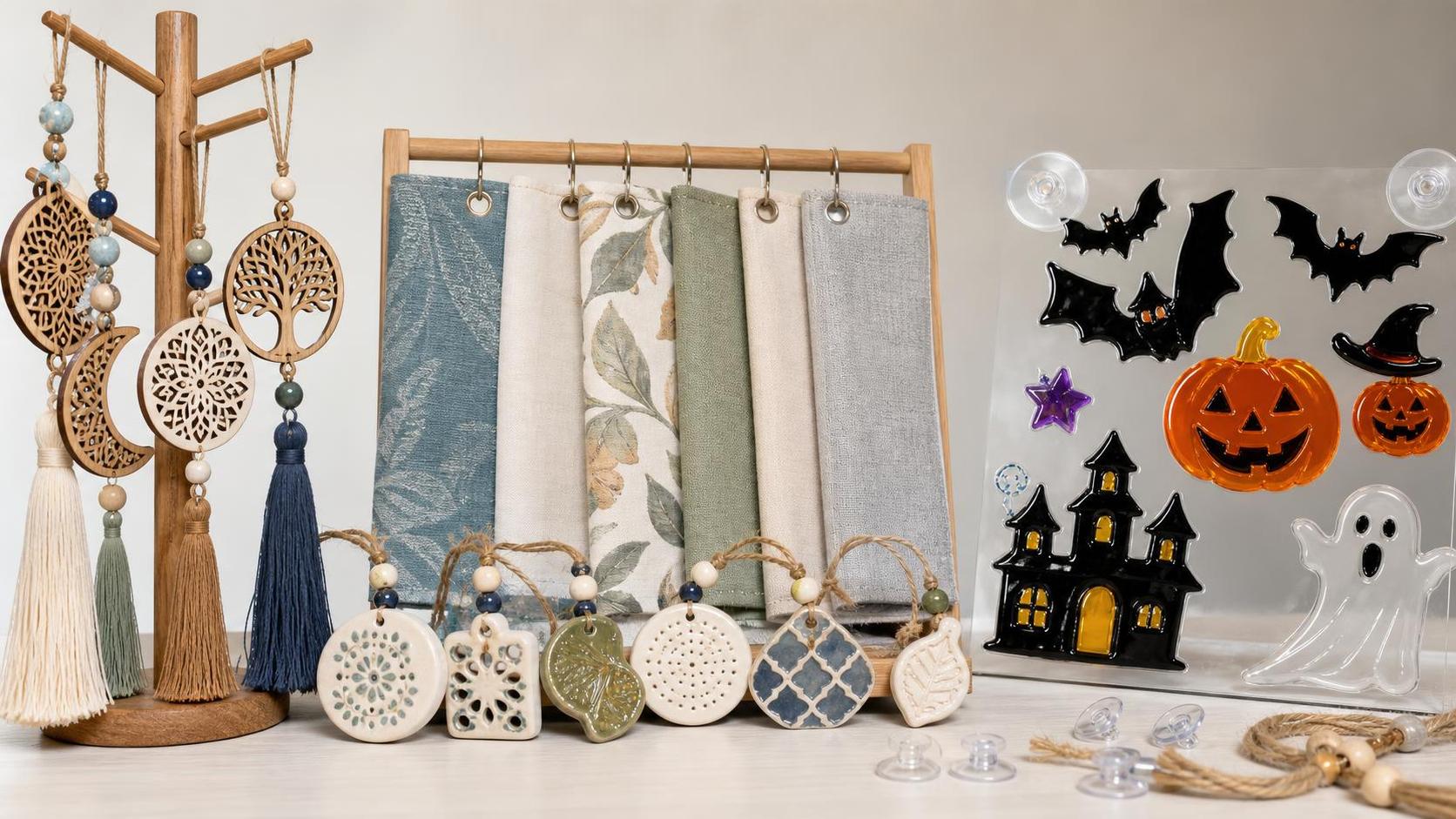
Start with the buying brief, not the sample photo
When buyers source Windows decorations, margin problems usually start before pricing is discussed. A mood board looks harmless, but if the brief does not define material, placement, season length, cleaning expectations, and target retail level, the supplier will quote against assumptions. That is where cost drift begins.
A practical brief should answer a few basic questions: Is the item meant for indoor seasonal use or longer display cycles? Will it sit on glass, fabric, painted walls, or wood frames? Is the buyer selling into entry-level seasonal programs, mid-market home decor, or gift-focused channels where finish matters more than unit cost? Those details change the right material choice and the failure rate you should expect.
Check the material against the actual use case
This is the part buyers often rush, especially on decorative items that seem simple. But window products live or die on material fit. A low-cost item can still be a good buy if the use case is short, the application surface is clear, and the finish does not need to survive repeated handling. A more expensive material becomes waste if the market only needs one-season sell-through.
- Fabric-based decorations work well when softness, texture, or a handcrafted look is part of the retail value. The tradeoff is storage bulk, dust pickup, and edge wear.
- Wooden pieces give a stronger perceived value, but weight, breakage risk, and hanging hardware consistency need attention.
- Plastic and gel-style window decorations are usually easier to pack, easier to apply, and better for impulse seasonal programs, but adhesive behavior and residue risk must be checked on the intended surface.
- Ceramic accents can look premium, though freight cost and fragility can narrow margin quickly if pack-out is not engineered well.
If you are buying for holiday retail, temporary display products can make sense because they reduce handling complexity. A good example is Halloween Window Gel Clings Ghost Pumpkin Bat Witch Cat Boo Blood Decal Stickers for Halloween Home Party Window Decorations. It uses TPR material, is described as safe, non-toxic, and reusable, and is intended for smooth surfaces such as windows and glass. For a buyer, that matters less as a marketing line and more as a sourcing signal: temporary seasonal goods should be easy to apply, easy to remove, and simple to store for repeat use.
Judge durability by failure point, not by supplier promise
“Durable” is too vague to buy against. You need to ask what usually fails first. On Windows decorations, the answer differs by product type:
- Printed surfaces may scratch, fade, or peel.
- Hanging items may fail at the string hole, hook, glue point, or staple.
- Gel clings may lose tack, curl at the edge, or leave marks if stored badly.
- Wooden frames may crack at thin sections or around drilled holes.
Ask for close-up photos of joints, edges, back-side finish, and attachment points. Not glamour shots. Those details tell you more about lifespan than front-view styling ever will. If the product is meant to be reused, request a simple repack test: can the item be removed, placed back on its carrier or inner pack, and used again without visible damage or loss of function?
Separate factory skill from trading convenience
For home decor procurement, supply chain stability often matters as much as the piece itself. A supplier with access to different production categories can be useful, especially when your assortment mixes wood, fabric, handcraft, plastic, or ceramic elements. The point is not to buy everything from one source blindly. The point is to understand who is actually making which part, and where consistency risk sits.
If your supplier works through a network of certified factories and category partners, use that to your advantage. Ask which factory handles the core process, which components are outsourced, and which quality checks happen before final packing. In window decor, small component variation can create big retail complaints: uneven color, mixed hanging lengths, mismatched print registration, or weak suction and cling performance.
Price the full landed risk, not only the unit
A lower FOB price does not always create a better margin. Buyers in seasonal home decor know this, but it still gets missed when timelines are tight. Use a simple comparison table before approving any program:
This is where many buyers misread seasonal products. If the decoration is lightweight, reusable, and easy to remove from smooth surfaces, it may carry a better real margin than a heavier item with a slightly lower quoted price.
Look at craftsmanship where consumers will touch it
In home decor, shoppers forgive simple materials more easily than poor finishing. So inspect the touchpoints: corners, printed outlines, stitched seams, cut edges, hanging loops, and the back side that store staff will see during merchandising. If these are rough, the product reads cheap even when the front design is attractive.
For seasonal window decals and clings, ask how the pieces are separated on the sheet, whether edges stay clean after removal, and how they perform after storage. For handcrafted items, check whether natural variation is part of the look or simply weak process control. Buyers need that distinction before approving tolerance.
Match the product to the retail calendar
Not every item should be built for long life. A Halloween cling set, for example, is often judged on quick visual impact, ease of application, safe handling, and whether the customer can remove and save it without frustration. That is a different buying logic from a year-round wooden hanging sign or layered fabric curtain accent.
If you over-spec a short-season item, margin suffers. If you under-spec a product meant for repeated yearly use, complaints follow. The right question is not “What is the best material?” It is “What is the right material for the display cycle and retail promise?”
Use a short approval sequence before placing volume
- Approve the use case and target price band.
- Confirm the material and likely failure point.
- Review photos of details, not just the hero image.
- Check pack-out, storage convenience, and freight efficiency.
- Test one real application surface that matches the selling market.
- Only then compare quotes.
That order saves time. It also protects margin better than chasing the cheapest offer first. For procurement buyers, the strongest decision is usually the one that balances appearance, repeatable quality, and operational ease. In Windows decorations, those three are tied together more tightly than the catalog page suggests.
Leave A Message
If you are interested in our products and want to know more details, please leave a message here, we will reply you as soon as we can.

We specialize in supplying home decor, handicrafts, and daily necessities.


