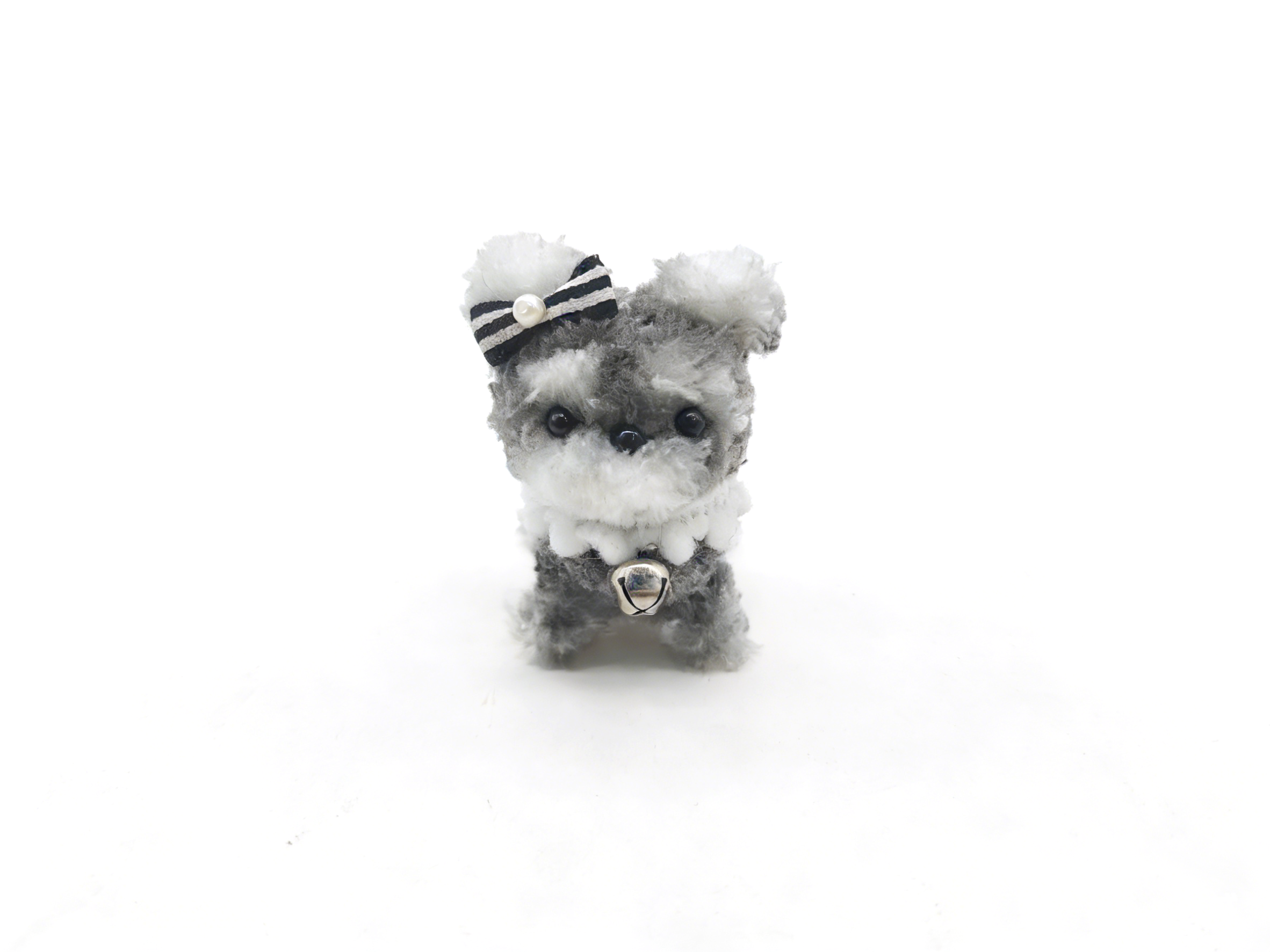
Eco friendly wholesale needle felting kits are trending, especially among buyers watching DIY crafts, handmade gifts, and sustainable home décor.
The growth is not only about crafting as a hobby; it reflects a wider shift toward slower, more meaningful consumer purchases.
As sustainability continues to shape home décor and DIY purchasing decisions, many buyers and craft brands are reassessing felting kits.
These kits combine creativity, handmade appeal, and giftable value, making them attractive to retailers, distributors, and product researchers.
For businesses sourcing from reliable suppliers, understanding this trend helps identify demand patterns, material preferences, and supply chain advantages.
What Is the Real Search Intent Behind This Trend?
Most people searching this topic are not simply asking whether needle felting is popular among hobbyists.
They want to know whether wholesale needle felting kits are commercially promising, sustainable enough, and suitable for product expansion.
Information researchers usually compare market signals, buyer motivations, product formats, and sourcing risks before recommending a category.
So the useful answer is practical: eco friendly felting kits are rising, but success depends on design, materials, packaging, and supplier reliability.
Why Eco Friendly Needle Felting Kits Are Gaining Attention
Needle felting fits naturally into several consumer movements: mindful crafting, handmade gifting, home decoration, and low-waste creative hobbies.
Unlike disposable craft products, wool felt projects can become keepsakes, shelf décor, seasonal ornaments, or personalized handmade gifts.
This gives the category emotional value, which is important in home décor and gift retail environments.
Eco-conscious buyers are also more selective about materials, preferring natural fibers, recyclable packaging, and products with less plastic content.
Wool-based kits communicate warmth, texture, and authenticity, which makes them easier to position within sustainable lifestyle collections.
For retailers, the trend is attractive because kits are compact, giftable, visually engaging, and suitable for online product storytelling.
What Buyers Usually Care About Before Sourcing
Wholesale buyers normally look beyond the surface question of whether a product is fashionable or not.
They need to understand whether the category can support stable margins, repeat orders, and differentiated merchandising.
The first concern is material quality, because poor wool texture or weak color consistency can damage customer experience.
The second concern is kit completeness, since beginners expect needles, foam mats, instructions, and enough wool to finish the project.
The third concern is safety and compliance, especially when kits include sharp tools and are sold through larger retail channels.
The fourth concern is packaging, because eco friendly positioning can be weakened by excessive plastic or generic presentation.
Finally, buyers care about whether suppliers can provide consistent production, customization, and reliable delivery during seasonal demand peaks.
Which Product Features Make a Kit More Marketable?
Successful needle felting kits usually combine accessible difficulty, attractive finished results, and a clear use scenario.
Beginners prefer kits that reduce uncertainty, so step-by-step instructions and organized materials are more important than advanced complexity.
Themes also matter. Nature, animals, mushrooms, woodland scenes, holidays, and cottage-style décor often perform well with craft audiences.
For example, a nature-themed kit such as Mushroom Snail Forest Scene Needle Felting Kit, DIY Wool Felt Craft Set with Tools, Foam Mat & Instructions, Beginner Friendly Nature Diorama Kit, Handmade Enchanted Forest Decor for Adults, Christmas Birthday Gift
It shows how a complete set can combine colored wool, felting needles, a foam mat, and clear instructions.
The final handmade scene can work as shelf décor, a thoughtful gift, or a calming craft project for adults.
This type of product is especially useful for buyers studying how design storytelling can support higher perceived value.
Are These Kits Truly Eco Friendly?
The answer depends on how the kit is designed, packaged, and sourced, not only on the word “eco” in the description.
Wool is often viewed positively because it is natural, tactile, durable, and suited to long-lasting handmade objects.
However, a kit may still include plastic trays, synthetic accessories, or excessive laminated packaging that weakens sustainability claims.
Buyers should assess the full product system, including fiber composition, dye standards, tool durability, packaging materials, and disposal impact.
Clearer sustainability messaging can also reduce customer confusion and help retailers avoid vague or unsupported green claims.
The strongest products do not rely on slogans; they show practical material choices and responsible packaging decisions.
Market Signals Suggesting Continued Demand
Several signals indicate that eco friendly wholesale needle felting kits have room for continued growth.
First, the DIY sector continues benefiting from consumers seeking relaxing, screen-free activities at home.
Second, handmade home décor remains popular because shoppers want objects that feel personal rather than mass-produced.
Third, gifting behavior supports kit-based products, especially around birthdays, holidays, Christmas, Mother’s Day, and creative workshops.
Fourth, social media favors visually satisfying craft processes, helping small kits gain attention through before-and-after content.
Fifth, retailers can merchandise felting kits alongside wool décor, wooden crafts, ceramic ornaments, and seasonal handmade collections.
These signals do not guarantee success for every SKU, but they support the category’s broader commercial relevance.
How Wholesale Buyers Can Evaluate Suppliers
Supplier evaluation is essential because craft kits require both production accuracy and careful material coordination.
A reliable supplier should control wool color matching, accessory completeness, instruction clarity, packaging quality, and batch consistency.
Factories with experience in handicrafts, wooden crafts, fabric crafts, ceramics, plastics, or handwoven products often offer broader development support.
For home décor buyers, this network matters because seasonal collections often combine multiple material categories in one retail program.
A supplier located in an export-oriented city such as Ningbo may also provide advantages in logistics, communication, and foreign trade operations.
Certified factories and partners approved by major European and American retail chains can strengthen confidence in compliance and supply stability.
These factors are especially important for retailers planning private label programs or multi-SKU craft collections.
What Risks Should Researchers Not Ignore?
Although the trend is promising, buyers should not assume that every needle felting kit will sell well.
Low-quality kits can create frustration if wool quantities are insufficient, needles break easily, or instructions are unclear.
Overly difficult designs may look beautiful in photos but lead to poor reviews from beginner customers.
There is also a risk of greenwashing if eco friendly claims are not supported by real material and packaging decisions.
Another risk is weak differentiation, because generic animal or ornament kits may face heavy price competition.
To reduce these risks, buyers should request samples, test the crafting process, verify packaging, and compare finished product appeal.
Where Do These Kits Fit in Home Décor Retail?
Needle felting kits sit between craft supplies, lifestyle gifts, and handmade home décor, which gives them flexible merchandising potential.
They can be sold as creative gifts, weekend projects, seasonal décor kits, workshop materials, or self-care craft products.
For online stores, detailed images, finished project photos, and difficulty labels can significantly improve conversion.
For offline retailers, compact packaging and themed displays can help shoppers quickly understand the kit’s purpose.
Nature-inspired kits may pair well with cottagecore décor, woodland ornaments, wooden display pieces, and soft textile accessories.
This cross-category compatibility is one reason wholesale needle felting kits are attractive to home décor product planners.
How to Judge Whether the Trend Fits Your Business
Buyers should start by matching the product to their customer base, rather than following the trend blindly.
If customers value handmade objects, sustainable materials, creative gifts, or home-based hobbies, the category deserves serious consideration.
Next, assess whether your retail price range can support a complete, better-designed kit instead of a low-cost basic version.
Then review how the product will be presented: as a hobby supply, décor gift, holiday item, or lifestyle experience.
Finally, confirm whether the supplier can support customization, stable replenishment, compliant packaging, and clear product documentation.
When these conditions align, eco friendly felting kits can become a useful addition to a broader home décor assortment.
Conclusion: Are They Trending Enough to Watch?
Yes, eco friendly wholesale needle felting kits are trending, but the opportunity is strongest for well-designed, complete, and responsibly packaged products.
The trend is supported by demand for mindful crafting, sustainable gifting, handmade décor, and visually engaging DIY experiences.
For information researchers and sourcing teams, the key is to evaluate more than popularity.
Material quality, beginner usability, theme selection, supplier reliability, and credible eco positioning all determine whether the category can perform.
Businesses that combine attractive designs with stable sourcing are better positioned to capture this growing craft and home décor opportunity.
Leave A Message
If you are interested in our products and want to know more details, please leave a message here, we will reply you as soon as we can.

We specialize in supplying home decor, handicrafts, and daily necessities.


