
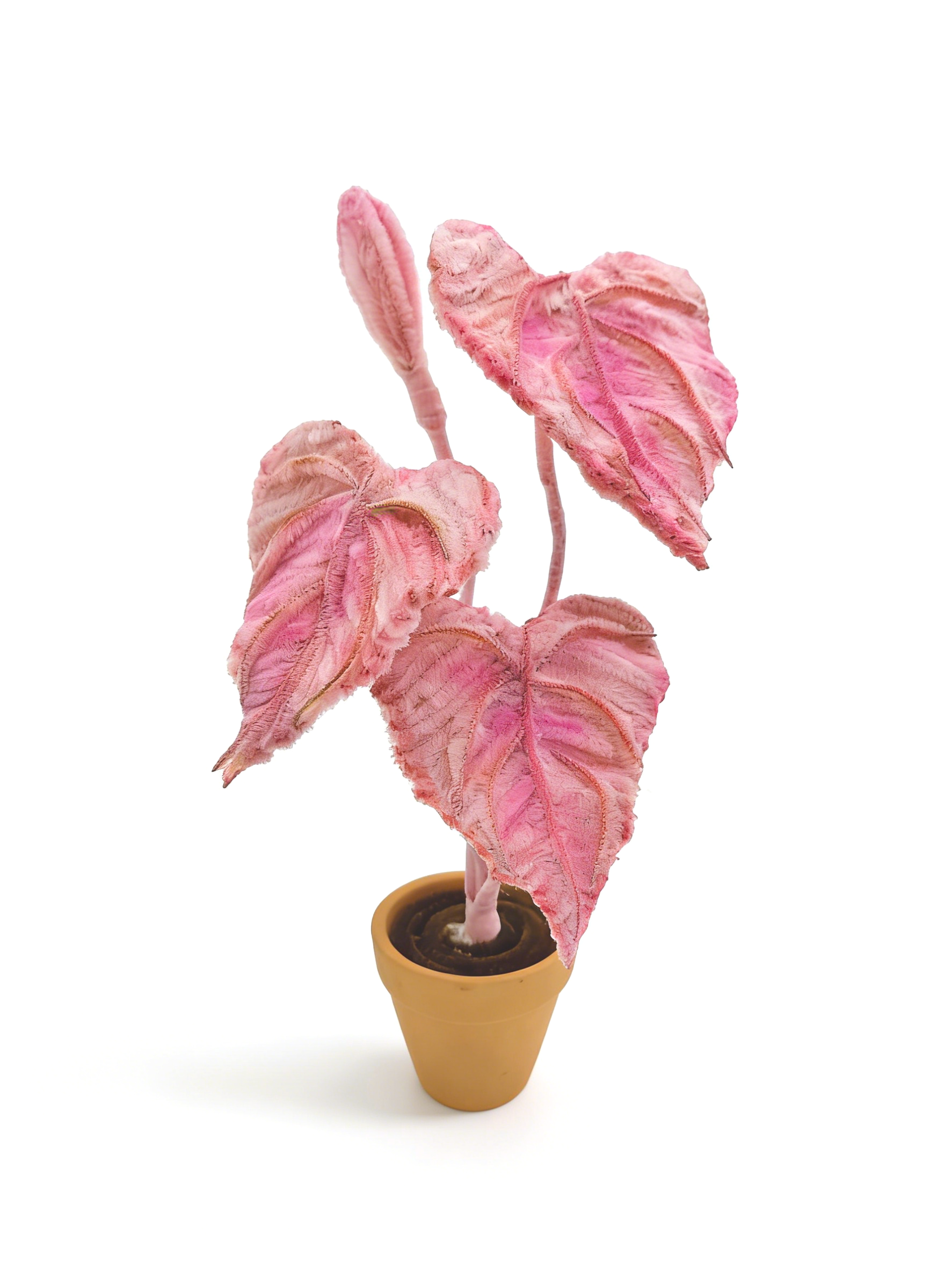
Choosing the right pipe cleaner craft kit can make your first DIY project easier, more enjoyable, and far more creative.
Whether you want colorful flowers, playful animals, seasonal decorations, or handmade gifts, a beginner-friendly kit should feel simple from the start.
Look for safe materials, clear instructions, and enough variety to spark ideas without making the project feel confusing or messy.
Start With the Real Goal: Easy Success, Not the Biggest Box
For beginners, the best pipe cleaner craft kit is not always the largest one or the kit with the most colors.
A good starter kit helps you finish a few attractive projects quickly, so you feel encouraged to keep crafting at home.
Before buying, ask what you actually want to make: animals, flowers, ornaments, classroom crafts, party activities, or simple home decorations.
If the kit matches your first project idea, you are less likely to waste materials or feel stuck halfway through.
Check What Is Included Before You Compare Prices
A beginner kit should include chenille stems, also called pipe cleaners, in several colors, lengths, and sometimes textures.
It may also include pom-poms, googly eyes, beads, felt pieces, glue dots, scissors, or simple templates for shaping basic designs.
Do not judge value only by the number of pieces printed on the box, because many tiny items may be decorative extras.
Instead, check whether the included supplies are useful for complete projects, not just loose materials without a clear crafting purpose.
Choose Safe, Comfortable Materials for Hands-On Crafting
Pipe cleaner crafts involve bending, twisting, wrapping, and sometimes cutting, so comfort matters more than many first-time buyers expect.
Look for stems that are flexible but not flimsy, with soft fibers that do not shed heavily during repeated handling.
The internal wire should hold its shape well, but sharp ends should be covered, folded, or easy to manage safely.
For children, choose kits labeled age-appropriate, and supervise cutting, gluing, beading, or any activity involving small loose parts.
Make Sure the Instructions Are Truly Beginner-Friendly
A beginner-friendly pipe cleaner craft kit should provide visual steps, not just a finished photo and a short description.
Clear instructions show how many stems to use, where to twist, how tightly to bend, and how to attach details.
Good kits often include several difficulty levels, allowing you to start with a flower or butterfly before trying detailed animals.
If instructions are unclear online, read reviews to see whether other beginners completed projects without extra video tutorials.
Pick the Right Variety Without Creating Clutter
Color variety is important because pipe cleaner crafts depend heavily on visual appeal, especially for flowers, insects, and holiday pieces.
However, too many specialty stems can overwhelm beginners who have not yet learned basic bending and shaping techniques.
A balanced kit usually includes bright colors, neutral shades, and a few sparkly or striped stems for accents.
This mix gives you creative freedom while keeping the first crafting session organized, predictable, and easy to clean afterward.
Think About the Projects You Will Actually Display or Gift
Many people buy a pipe cleaner craft kit because they want small handmade items that feel personal and cheerful.
Flowers can brighten a desk, animals can entertain children, and seasonal shapes can decorate gift boxes, wreaths, or table settings.
If you enjoy home decor, choose kits with colors that match your room, party theme, or seasonal decorating style.
For porch or garden displays, handmade accents can pair nicely with rustic pieces like Wooden Large Vertical Love Grows Here Porch Decor, Garden Welcome Standding Sign Garden Decor Sign, Welcome Wall Sign for Yard Porch Farmhouse Door Decoration.
Compare Kits by Usable Value, Not Just Piece Count
A kit with 300 pieces may sound better than one with 120 pieces, but the practical value may be lower.
Count how many full projects you can complete, and whether the kit includes enough matching stems for each idea.
For example, flower projects often need several green stems, while animal projects may need repeated colors for legs and bodies.
If a kit contains many random colors but few duplicates, it may be harder to create neat, coordinated finished crafts.
Match the Kit to the Crafter’s Age and Patience Level
Adults and teens may enjoy detailed craft kits with smaller accessories, layered petals, and more advanced shaping techniques.
Younger children usually need larger parts, fewer steps, and projects that can be completed in ten to twenty minutes.
For family crafting, choose a kit with multiple simple designs, so everyone can make something without waiting for help.
If the intended crafter gets frustrated easily, prioritize quick wins over elaborate designs that require perfect symmetry or precision.
Look for Kits That Teach Reusable Crafting Skills
The best beginner kit does more than help you copy one project; it teaches techniques you can reuse later.
Basic skills include twisting two stems together, making spirals, forming loops, wrapping stems around pencils, and building simple frames.
Once you learn those moves, you can create flowers, crowns, napkin rings, bookmarks, ornaments, and miniature sculptures.
This matters because a strong first kit can turn a one-time activity into an enjoyable long-term creative hobby.
Consider Storage, Cleanup, and Reuse
Pipe cleaners are lightweight, but they can spread quickly across a table, especially when mixed with beads and pom-poms.
A kit with a divided storage box, resealable bags, or labeled compartments makes crafting much easier for beginners.
Good storage also helps you see remaining colors, save leftover stems, and plan future projects without buying duplicate supplies.
If the kit has no organizer, prepare a small container before starting, so cleanup does not become discouraging afterward.
Watch for Red Flags Before Buying
Avoid kits with vague product photos, no size information, unclear age guidance, or instructions that are not shown at all.
Be cautious if reviews mention wires poking through, fibers falling off, weak stems, missing pieces, or confusing project steps.
Very cheap kits may still be useful, but they often sacrifice consistency, packaging, or instruction quality to reduce cost.
For beginners, paying slightly more for better organization and clearer guidance often creates a much smoother first experience.
Best Starter Kit Checklist
Use this quick checklist when comparing options, especially if you are buying online and cannot inspect materials directly.
- Includes enough pipe cleaners to complete several full projects.
- Offers a practical mix of bright, neutral, and accent colors.
- Provides step-by-step visual instructions for beginners.
- Uses soft, flexible stems that hold their shape well.
- Includes safe accessories appropriate for the crafter’s age.
- Comes with storage or packaging that keeps supplies organized.
- Has positive reviews mentioning ease of use and finished results.
If a kit meets most of these points, it is likely a dependable choice for first-time crafting.
How to Get the Most From Your First Kit
Start with one simple project before opening every packet, because a smaller setup helps you focus and avoid clutter.
Follow the instructions once, then repeat the same design using different colors to understand how the shapes work.
After that, try small changes, such as longer petals, curled antennae, layered wings, or mixed-color stems for texture.
This approach builds confidence naturally, while giving you several finished pieces instead of one complicated unfinished project.
Final Thoughts: Choose a Kit That Makes Crafting Feel Possible
A good pipe cleaner craft kit for beginners should be safe, clear, organized, and interesting without being overwhelming.
Focus on usable materials, friendly instructions, age-appropriate accessories, and projects that match your real decorating or gifting goals.
When the kit supports early success, crafting becomes more than a quick activity; it becomes a creative habit at home.
Pick thoughtfully, start simply, and your first pipe cleaner project can lead to many colorful handmade ideas.


