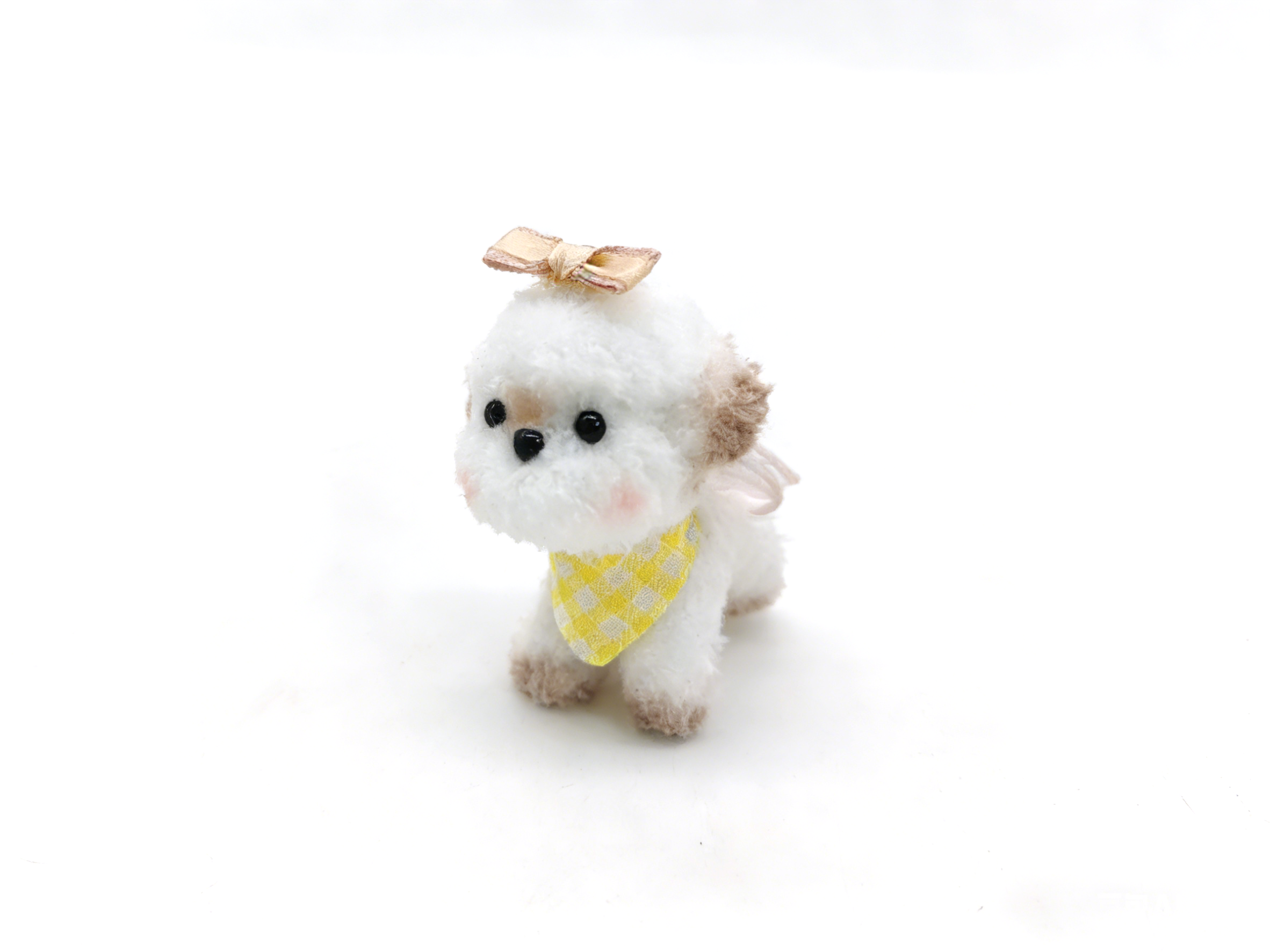
For buyers in home décor, choosing between DIY animal crafts and ready-made kits is not only about trends but also about profit margin, supply stability, and market fit. With growing demand for creative, giftable, and family-friendly products, understanding which option delivers better returns can help you optimize sourcing decisions, reduce risk, and meet retailer expectations more effectively.
How should buyers compare DIY animal crafts and ready-made kits?
In the home décor sector, DIY animal crafts usually refer to craft items that require light assembly, painting, stitching, or decorating by the end consumer. Ready-made kits, by contrast, are completed products prepared for direct display or gifting. For procurement teams, the margin question depends on 3 core variables: unit cost, packaging and labor structure, and the final retail positioning.
DIY animal crafts often achieve a stronger perceived value because they combine product and experience. This can support a higher retail markup in family, seasonal, and educational channels. However, the extra components, instruction sheets, and quality checks may add 5%–15% to sourcing complexity compared with simpler finished décor items. Margin is not only about price difference; it is also about returns, damage rate, and replenishment speed.
Ready-made kits are easier to sell into fast-moving retail programs where shelf presentation, standardization, and low training requirements matter. For buyers working on 2–4 week promotional cycles, they can reduce operational pressure. DIY animal crafts, on the other hand, are often better suited to stores that want interactive value, workshop tie-ins, or stronger seasonal storytelling.
A practical comparison for sourcing decisions
The table below helps buyers compare typical procurement factors when deciding whether DIY animal crafts or ready-made kits offer better margin potential in home décor assortments.
For many buyers, DIY animal crafts can produce better gross margin when the retailer can communicate the activity value clearly. Ready-made kits often deliver better operational margin when labor, sorting, and after-sales risk must be tightly controlled.
Where does margin really come from in home décor craft sourcing?
In practice, margin comes from more than FOB price. Buyers in home décor usually assess at least 4 layers of cost: product cost, packing cost, freight efficiency, and sell-through support. A DIY animal crafts program may look attractive on paper, but if the inner box is oversized or requires too many hand-packed accessories, the final margin can narrow quickly.
Ready-made items generally support smoother carton packing and more predictable warehouse handling. This matters when retailers place medium to large volume orders and expect stable replenishment every 30–60 days. DIY lines can still win, especially when the product avoids fragile components and uses materials that are easy to count, sort, and repack.
A useful benchmark is to review 5 key checks before placing the order: component count, packaging cube, labeling needs, assembly complaint risk, and display impact. If 3 or more of these factors create friction, the margin advantage of DIY animal crafts may weaken unless the retail price can rise accordingly.
Cost factors buyers should map before approval
This selection table can help procurement teams compare likely margin drivers across different sourcing models.
The lesson is simple: the better-margin option depends on channel strategy. If the buyer needs lower operational risk, ready-made kits often perform well. If the retailer can sell a creative experience, DIY animal crafts can justify healthier markup and stronger seasonal differentiation.
Which option fits different retail and seasonal scenarios?
Not every channel should buy the same product format. In home décor, buyers usually group demand into 3 common scenarios: everyday giftable items, seasonal promotional items, and family activity products. DIY animal crafts are especially effective when shoppers want hands-on engagement, such as holiday decorating, school breaks, or weekend family activities.
Seasonal décor is a strong example. Some buyers mix ready-made décor with simple interactive add-ons to improve basket value. A product like Halloween Window Gel Clings Ghost Pumpkin Bat Witch Cat Boo Blood Decal Stickers for Halloween Home Party Window Decorations shows how reusable, safe, non-toxic, multi-colored items can add event-driven value for home, party, and storefront displays without introducing fragile construction.
Because it uses soft TPR material and adheres easily to windows, glass, walls, and other smooth surfaces, it suits buyers looking for festive products that are easy to remove and store for future seasons. In this case, the product behaves like a low-barrier craft-decor hybrid: it delivers decorative impact with less assembly risk than many traditional DIY animal crafts.
Scenario-based buying checklist
- Choose DIY animal crafts when your retail concept depends on interaction, gifting, or activity-led value, especially in back-to-school, Easter, Christmas, and family event periods.
- Choose ready-made kits when your shelf plan needs fast replenishment, easy merchandising, and fewer customer instructions.
- Choose hybrid seasonal décor when you want visual impact and reuse value, but need to keep assembly complaints and breakage risk low.
What buyers often overlook
The common mistake is evaluating only the initial quote. Buyers should also review storage life, repeat-use potential, and ease of display installation. Reusable seasonal items can support repeat sales every 12 months and reduce disposal complaints, which may strengthen long-term program value.
What should procurement teams check before placing orders?
A reliable sourcing plan for DIY animal crafts should include product development review, sample confirmation, production control, and shipment inspection. In most home décor programs, this means a 4-step process over roughly 3–6 weeks for standard items, depending on materials, packaging changes, and order quantity.
Located in Ningbo, a major foreign trade hub in China, our company supports buyers through two certified factories: one focused on handicrafts, the other on wooden and fabric crafts. We also work with certified partner factories in ceramics, plastics, and handwoven products. This network helps buyers consolidate categories, balance lead times, and reduce sourcing fragmentation across multiple vendors.
For procurement teams, that matters in 3 ways. First, product categories can be matched to the right factory capability. Second, seasonal or mixed-material programs can be coordinated under one supply framework. Third, quality consistency is easier to monitor when sourcing is not spread across disconnected suppliers.
Recommended procurement checks
- Confirm the target channel and retail price band before selecting DIY animal crafts or ready-made kits.
- Request a component review for kits with multiple parts, especially if count accuracy affects returns.
- Verify packaging, labeling, and any retailer-specific compliance needs for European or North American programs.
- Ask for sample support and discuss realistic lead times, usually in 7–15 days for samples and longer for mass production based on order scale.
This structured approach is especially useful when buyers need margin control without sacrificing visual appeal, safety expectations, or delivery reliability.
FAQ: common buyer questions about DIY animal crafts
Do DIY animal crafts always have better margin than finished products?
No. They often offer stronger markup potential, but only when the retail channel can sell the creative experience. If packaging is complex or return risk is high, ready-made kits may protect margin better.
Which buyers are the best fit for DIY animal crafts?
They are usually a strong fit for buyers serving gift shops, family retailers, hobby channels, seasonal promotions, and home décor programs that need storytelling and shopper engagement rather than only fast display turnover.
What is the most common sourcing risk?
Missing parts, unclear instructions, and overcomplicated packaging are common issues. For ready-made items, the main risks are finish consistency, fragility, and transit damage.
How can buyers improve margin without changing product style?
Focus on carton efficiency, simpler inserts, balanced material selection, and channel-fit packaging. Small changes in pack-out method or display format can often improve freight efficiency and reduce complaint rates.
Why choose us for home décor craft sourcing?
For buyers comparing DIY animal crafts with ready-made kits, the best supplier is not just a manufacturer. You need a sourcing partner who can help evaluate factory fit, material choice, packaging practicality, and retailer expectations across different product categories.
Our Ningbo-based supply network combines two certified factories with long-term cooperation across ceramics, plastics, and handwoven production. That gives buyers a practical advantage when building mixed home décor collections, coordinating seasonal items, or managing small-batch to larger-volume programs under one sourcing plan.
You can contact us for 6 key topics: product selection, sample development, packaging confirmation, lead time planning, certification-related communication, and quotation comparison across different craft formats. If you are deciding whether DIY animal crafts or ready-made kits will deliver the better margin for your market, we can help you review the cost structure and recommend the most suitable sourcing path.
Leave A Message
If you are interested in our products and want to know more details, please leave a message here, we will reply you as soon as we can.

We specialize in supplying home decor, handicrafts, and daily necessities.


