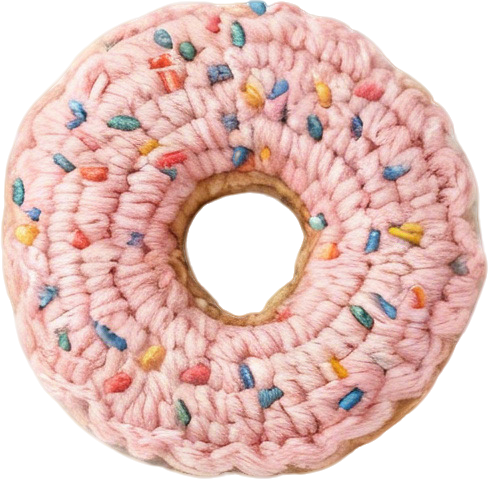
As modern home collections evolve, many buyers are asking whether Crochet kitchen decor still has real market value. For business decision-makers in home decor, the answer depends on consumer trends, product positioning, and supply reliability. With growing demand for handcrafted, warm, and differentiated home accents, crochet styles continue to attract niche and mainstream retail interest alike.
Why Scenario-Based Demand Matters for Crochet Kitchen Decor
For importers, retailers, and private-label buyers in the home decor sector, the question is not simply whether Crochet kitchen decor sells, but where it sells, to whom, and under what merchandising strategy. In practical sourcing decisions, the same item can perform very differently across seasonal collections, farmhouse assortments, gift channels, and everyday kitchen textile programs.
In most buying cycles, product review windows run between 4 and 12 weeks before order confirmation, and that means style relevance must be judged early. Crochet kitchen decor often works best when buyers evaluate three dimensions together: visual warmth, price band, and display compatibility with other home accessories such as wooden crafts, fabric accents, and tabletop decor.
For decision-makers managing multi-category sourcing, scenario analysis reduces risk. A handcrafted look may fit one retail environment with strong sell-through at small order volumes of 300 to 1,000 units per style, while another channel may require simplified designs, tighter packaging, and repeatable replenishment over 2 to 3 seasonal drops.
Core business questions buyers should ask
- Does the target channel favor artisanal styling or faster-moving basics?
- Will the product be sold as a standalone accent or part of a coordinated kitchen collection?
- Is the required supply model based on one-time seasonal programs or 6 to 12 month replenishment?
- Can the supplier support material consistency, color matching, and mixed-category sourcing?
Three Typical Sales Scenarios Where Crochet Styles Still Perform
Crochet kitchen decor remains relevant because it serves distinct use cases rather than one universal market. In the home decor business, the most common scenarios are seasonal retail collections, farmhouse or rustic lifestyle ranges, and gift-oriented or boutique assortments. Each scenario rewards a different balance of handmade character, pricing discipline, and packaging presentation.
Seasonal programs often value emotional appeal and visual storytelling. In this context, a handmade look can strengthen fall, spring, or holiday kitchen displays. Buyers who already work with decorative window items sometimes pair soft handcrafted kitchen accents with temporary holiday add-ons such as Halloween Window Gel Clings Ghost Pumpkin Bat Witch Cat Boo Blood Decal Stickers for Halloween Home Party Window Decorations to create a fuller cross-category presentation for Halloween parties, classroom decorations, and home window displays.
By contrast, farmhouse collections usually require year-round compatibility. Here, Crochet kitchen decor is less about novelty and more about texture, neutral tones, and pairing potential with wood, ceramics, and fabric crafts. Gift and boutique channels, meanwhile, tend to accept lower volume runs, but they expect stronger detail, better finish, and more memorable presentation.
Scenario comparison for commercial buyers
The table below shows how the same category can be evaluated differently depending on the end-use scenario, price structure, and display logic.
This comparison makes one point clear: Crochet kitchen decor is not obsolete, but it is channel-sensitive. Buyers who match the right look to the right shelf environment typically gain better assortment coherence and less price resistance.
What Different Buyers Need to Confirm Before Launch
Not all business buyers evaluate handmade-style kitchen decor in the same way. Large retail chains often focus on consistency, packaging compliance, and repeat production over multiple purchase orders. Smaller brands and importers may prioritize lower MOQ flexibility, mixed-material sourcing, and the ability to test 5 to 20 SKUs before expansion.
For wholesalers, the main question is usually assortment spread. They need Crochet kitchen decor that can sit alongside ceramics, woven products, wooden accessories, and textile items without looking disconnected. For e-commerce sellers, product photography, tactile appeal, and easy bundle creation often matter as much as unit cost.
A supplier’s network also matters. Companies with dedicated handicraft production and additional capability in wooden and fabric crafts are often in a stronger position to support cross-category collection building. When retail programs include temporary decorative items, products made from soft TPR material that stick easily to smooth surfaces, are safe, non-toxic, reusable, and easy to remove can complement seasonal assortment planning without adding excessive complexity.
Buyer-type checklist
Priority points by business model
- Retail chains: confirm packaging format, quality consistency, and delivery windows of roughly 45 to 90 days.
- Importers: review mixed-factory coordination, sample lead time, and compliance communication efficiency.
- Boutique brands: test differentiated styling, giftability, and low-to-medium volume customization.
- E-commerce sellers: check image-ready finishes, bundle logic, and return-risk factors such as fragility or color variance.
How to Judge Product-Market Fit and Supply Practicality
A common mistake is assuming that all handcrafted-looking items belong in premium segments. In reality, Crochet kitchen decor can work in entry, mid, or upper-mid price bands depending on design complexity, labor input, and whether it is sold as a single accent or a coordinated set. A more practical approach is to compare aesthetic value with sourcing complexity and replenishment reliability.
Another frequent misjudgment is underestimating collection synergy. If a buyer is building a broader home story, kitchen decor should not be assessed in isolation. Pairing with wood, fabric, handwoven, ceramics, and seasonal window decor can improve in-store presentation and online conversion because the full collection feels intentional rather than fragmented.
The table below offers a practical evaluation framework for decision-makers who need to balance style value with operational fit over one buying cycle or several replenishment rounds.
If two or more low-risk signals are present, Crochet kitchen decor is usually worth testing in a pilot assortment. If caution signals dominate, buyers may be better served by simplifying the design, reducing SKU count, or repositioning the item into a more suitable collection.
Common Misreads in Modern Home Collections
One misread is treating modern as minimal only. Today’s home collections often combine clean silhouettes with warm textures, and that leaves room for Crochet kitchen decor when styling is edited carefully. Buyers do not need heavy ornamentation; in many cases, 1 textured accent within every 4 to 6 kitchen-facing SKUs is enough to create contrast.
Another mistake is ignoring regional and channel variation. A department store, an online marketplace, and a lifestyle boutique may all define “modern” differently. Decision-makers should therefore review sell-in logic by customer type, not by broad trend language alone. This is especially important when planning seasonal overlays or capsule collections.
Finally, some buyers separate decor sourcing too rigidly. In reality, modern assortment building often benefits from flexible cross-category additions. For example, decorative accessories that are vibrant, reusable, and suitable for smooth surfaces can help a seasonal home program feel more complete without overcommitting to permanent SKU expansion.
Practical decision advice
- Test the category first in 1 to 2 target scenarios rather than across every channel.
- Build around coordinated materials such as fabric, wood, ceramics, and handwoven accents.
- Use sample review to assess stitching style, color harmony, and packaging fit before bulk commitment.
- Keep seasonal add-ons and core collection items commercially linked, not visually random.
Why Work With a Supply Partner That Understands Mixed Home Decor Scenarios
For business buyers, the real value is not just one product category but the ability to build stable, commercially relevant collections. Based in Ningbo, a major foreign trade city in China, we support home decor crafts, handicrafts, and daily necessities through two certified factories, one focused on handicrafts and the other on wooden and fabric crafts, while also working with certified partners in ceramics, plastics, and handwoven products.
This structure helps decision-makers reduce sourcing fragmentation when evaluating Crochet kitchen decor alongside complementary home categories. Whether your need is a seasonal launch, a farmhouse-inspired range, or a mixed-material home collection, we can help review product selection, sample direction, expected lead times, and practical assortment fit based on your target market and order scale.
If you are comparing options for modern home collections, contact us to discuss parameter confirmation, product selection, delivery timing, custom development, certification communication, sample support, and quotation planning. We can also help you assess whether crochet styling, fabric crafts, wooden accessories, or seasonal decorative items are the better match for your specific business scenario.
Leave A Message
If you are interested in our products and want to know more details, please leave a message here, we will reply you as soon as we can.

We specialize in supplying home decor, handicrafts, and daily necessities.


